audience segmentation safe todetect malicious devices?

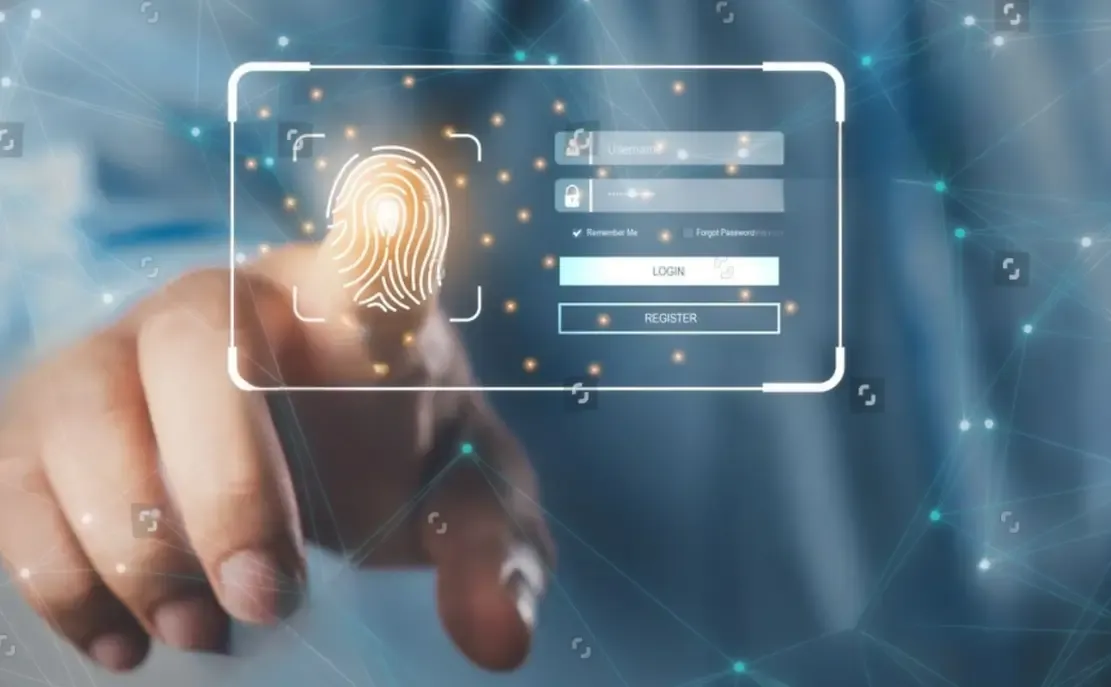
Every involvement shapes,every action tracked,each operation captured establish a virtual signature.This record displays elements related to your identity, absent cookie reliance lacking precise markers. Discover browser matching technology,a system that inspects your specialized browser settings, enhancements,browser add-ons,operating system, in addition to time segment ip quality score to build a recognizable fingerprint – your representation.This concealed emblem is utilized by advertisers,surveillance parties,and rogue entities to spot you through portals,individualize promotions,trace browsing history, and even create comprehensive records of your preferences.Identifying online fingerprinting is key for upholding privacy in the electronic period.
- Grasping fingerprinting complexities enables wise security actions in online environments.
- Engaging privacy technologies curtails risks stemming from persistent surveillance.
For that reason, noticing your cyber trails and limiting their impacts is key to ensuring discretion in a networked society.
Covert Peril: Spotting and Alleviating IP Data Leaks
Intellectual property (intellectual capital) constitutes a prized asset for organizations. Securing this prized commodity from exposure is essential. Despite this, IP breaches may be elusive, often unrecognized until extensive loss takes place. A robust system for detecting and preventing IP compromises is indispensable. This requires applying robust protections to maintain sensitive data. Constant security evaluations assist in uncovering weaknesses and possible flaws. Also, mentoring staff on the importance of IP defense is vital a framework of preparedness, significantly lowering the chance of network intrusions.Studying the Background Behind Virtual Characters
Moving the expansive territory of the digital network can feel like journeying through a tangle of unidentified faces. Every user, differentiated by a unique IP label, leaves a internet record that can bring to light their web-based patterns and site. But how accurate are these insights? And what are the ethical results of such comprehensive IP address searches? This document dissects the engaging environment of IP address review, revealing both its capabilities and perils.
Regardless of whether, you're a information security officer, a concerned person, or simply vigilant about personal security, understanding the complexities of IP address lookups is crucial.
- We shall study the process intricacies behind these probes, unpacking how they function and the information they provide.
- Additionally, we'll discuss the ethical dimensions surrounding IP address monitoring, weighing its advantages and disadvantages.
- Finally, we'll train you with the cognition needed to navigate the virtual environment wisely and defend your identity.
Guard Your Connections: A Guide to DNS Leak Testing
Within the vast online landscape, preserving your online anonymity is crucial. A common exposure often missed by users is DNS breakdowns.Such failures happen when your device propagates sensitive DNS requests to foreign nodes, possibly broadcasting your browsing history and site specifics to third parties. Performing a DNS leak test is fundamental to identify these weaknesses and maintain your connections remain shields intact.
A DNS leak test entails sending specific DNS queries and watching the returns. Credible leak-testing services review these reports to confirm if any traffic is diverted through incorrect hosts.
- Multiple DNS leak test solutions are obtainable over networks.
- Elect solutions that contain complete testing capabilities.
- Apply tests continuously to observe your network's security health.
Utilizing proven strategies and conducting regular DNS leak tests, you can fortify your digital safety and have a enhanced web surfing session.
Browser Fingerprinting| Your Web Activity’s Untold Story
Each time you traverse the cyberspace, a unique label is created. This method, denominated as browser fingerprinting, monitors your online behavior by assessing tiny features about your application. It resembles a digital label that makes known your existence even if you are not logged in.
- Browser fingerprinting uses a large variety of factors, such as your browser settings, installed lettering, screen resolution, and even the add-ons you employ.
- This wide-ranging collection of data can be consolidated into a unique profile that recognizes your machine with noteworthy accuracy.
- The consequences of browser fingerprinting range from focused commercials to the likelihood of watching your online activity without your awareness.
As you navigate the digital sphere, being mindful of this silent tracker is vital. By appreciating how browser fingerprinting functions, you can take measures to safeguard your personal data.
Does Your IP Leak?
In the current digital landscape, shielding your private data via the web is urgent. Yet, are you mindful that your IP address, a particular identifier assigned to your device, can be unexpectedly shared? Such an IP leak can compromise your privacy, rendering you susceptible to various network vulnerabilities. Understanding how IPs function and adopting vigorous protection methods is fundamental to ensure cyber defense.
- Apply a trustworthy VPN that conceals your internet traffic and covers your IP address.
- Frequently update your software and operating system to correct any shortcomings.
- Maintain alertness when clicking on links or downloading files from unreliable sources.
Exploring Beyond IP Addresses: Understanding Browser Profiles
Within digital surveillance, relying solely on IP addresses offers a bounded viewpoint. While IPs provide a basic lead to a user's regional spot, they can be easily concealed. Browser fingerprinting offers a complex method for pinpointing individuals online. Unlike IPs that tend to be relatively static, browser fingerprints provide a unique snapshot based on the multitude settings, extensions, and characteristics specific to each user's browser. This complex mosaic of data can bring to light hidden details about a user's device, operating system, plugins, fonts, and even browsing history.
By assessing these small distinctions, cyber defense experts can build a digital fingerprint that serves as a unique identifier for users, even when they try to camouflage their IP address. This forceful tool has wide-ranging applications in domains such as fraud prevention, targeted marketing, and law enforcement.
DNS Leak Concerns and Their Impact
Browsing the web may seem harmless, yet beneath the surface lie hidden risks that could jeopardize your privacy and security. One such hazard is DNS leaks, an undetected risk that results in your online activities to be disclosed. When a DNS leak happens, your device sends DNS requests through public channels, revealing the websites you visit, even if you use a VPN or other protective measures. This can cause data intrusion by malicious individuals, enabling them to monitor your browsing habits, steal confidential information, and potentially gain access to your accounts.
- Monitor DNS leaks by learning their operation and potential threats.
- Choose a reliable VPN provider that offers robust DNS leak protection.
- Consistently monitor your system for leaks to keep your online activities safe.
Adopting safeguarding actions to mitigate DNS leaks helps your privacy and ensures a fortified online browsing experience.
Exploring Procedures for IP Address Lookup
- To begin with, select a solid IP lookup tool. Numerous online services and software equip this capability, some even featuring advanced options like geolocation data and WHOIS information.
- Subsequently, enter the IP address to investigate in the given input area. The tool will then process information related to that address, offering a full report on its origin, location, and could be owner details.
- It is important to use IP lookup tools ethically, avoiding misuse or unauthorized intrusion into others' privacy. Use these tools only for legitimate purposes like cybersecurity investigations or site analytics.
Securing Your Data: Tools and Methods to Avoid IP Leaks
In present networked environment, preserving your intellectual property (IP) is important. Data breaches can cause severe consequences for organizations of all dimensions. To lessen this risk, organizations must enforce strong defenses to keep sensitive data away from illicit access.A hybrid model is paramount, encompassing technological tools as well as sound security standards. Intrusion prevention systems serve as the first line of defense, filtering malicious incursions. Encryption of data conceals private intelligence, preventing unauthorized viewing. Continuous software updates repair gaps that could be exploited by attackers.Beyond technology, cultivating a aware workplace is vital. Employees should be acquainted on proper handling of confidential data, including strong password management, multi-factor authentication, and identifying phishing tactics. Regular security audits appraise weaknesses and open opportunities to fortify defenses.
Protecting Your Online Privacy from Fingerprinting and IP Leaks
In today's online world, safeguarding your internet security is mandatory. While durable passwords and multi-factor authentication are important, they alone fail to offer full protection against refined threats like browser fingerprinting and IP leaks. Browser fingerprinting is where websites collect unique identifiers about your interface setup, essentially creating a digital trace used to track your activity across the web. IP leaks happen when your true IP is revealed unintentionally, putting your security at risk. To counter these effectively, explore combinations of strategies.
- Leverage privacy-centered browsers and search engines that emphasize data protection and anonymity.
- Activate browser extensions that block trackers, cookies, and fingerprinting scripts.
- Consider virtual private networks (VPNs) to encrypt your online traffic and hide your IP address.
- Continuously update your browser and operating system to remedy weaknesses.