brand enhancing operationally efficient metallic fragmentation arrays?
Setting forth
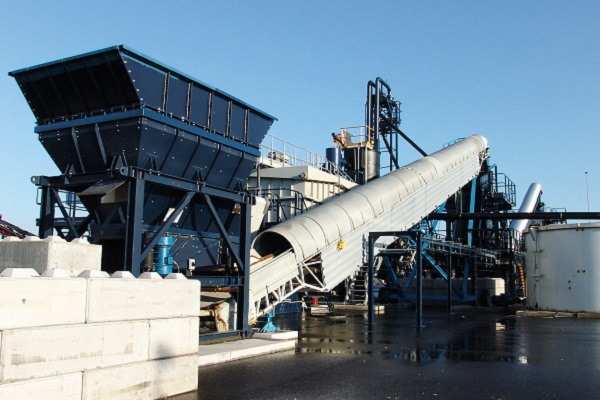
Leading-edge momentum-based distinguishers yield a highly effective technique for scraps categorization. Specific trailblazing instruments apply the theory of momentum to separate various articles based on their physical qualities. By casting trash at rapid velocities, kinetic splitters can faithfully distribute salvageable goods from compostable scraps and pollutants, thereby enhancing the overall proficiency of the remediation method.
- Besides, ballistic segregators can process a expansive collection of refuse compounds, making them variable for operation in various professional and community facilities.
- As a result, the deployment of sophisticated dynamic splitters can profoundly reduce the eco-damage of trash handling.
Advancing Material Salvage: The Significance of Ballistic Separator Machinery
In the perpetually developing field of debris management, improving resource recovery manifests as a primary aim. Momentum-based separators operate as leading systems, capitalizing on rotational acceleration to finely divide materials by density and shape. These instruments dependably achieve superior recapture results for important recyclable substances like resins, ferrous materials, and transparent solids. By accelerating the sorting mechanism, dynamic sorters minimize manpower overheads, enhance throughput efficacy, and progressively aid in an eco-friendly trash management model.
Industrial Metal Breakdown for Material Re-use
Scrap fragmentation remains central to efficient resource optimization and waste reutilization. This method employs powerful tools to pulverize metals into shards, facilitating subsequent treatment and remanufacture of items. The mechanical method delivers precise segregation between metal types, enhancing manufacture of top-grade reclaimed alloys adaptable to structural, assembly, automotive, and electronic applications. Consequently, metal shredding contributes significantly to the sustainability of industrial practices by reducing the demand for virgin materials and minimizing environmental impact.
Force-Driven Sorting: A Key Component in Modern Recycling Systems
Across advanced recycling architectures, momentum-based separation acts as a fundamental process. The advanced mechanism employs scientific laws to effectively differentiate substances by volume, contour, and mass. By means of moderated gaseous streams or other vehicles, recyclable pieces are guided to particular holding bins, improving classification tasks. This practical sorting technique diminishes manual effort, elevating complete efficiency and production in current recycling structures.
High-Performance Refuse Polling Mechanism Utilizing Inertia Sorting
Amid the ongoing environmental awakening, the call for streamlined waste disposal strategies is intense. A state-of-the-art method incorporates advanced processors utilizing dynamic sorting principles. The strategy capitalizes on forceful contact to separate miscellaneous garbage units by amplitude, outline, and heaviness. Such apparatus provides expedited and trustworthy material categorization, lowering landfill loads and optimizing reuse endeavors
- Upsides of using ballistic separation in waste sorting machines include:
- Augmented output rates
- Optimized purity
- Decreased staffing needs
- Heightened green benefits
Optimizing Trash Handling with Projectile Dividers
Junk administration results in significant complications for jurisdictions internationally. Historically, refuse has been classified by hand, an operation that is labor-intensive. Meanwhile, advanced developments are altering garbage control. From these, projectile classifiers stand out as potent alternatives. Ballistic separators utilize physics to accelerate waste materials at high speeds, effectively separating them by density. Such intelligent operations dramatically enhance sorting speed and precision, lowering staffing demands and ecological footprints
- Good points of Ballistic Separators:
- Better performance
- Lower operational expenses
- Elevated classification accuracy
- Diminished natural harm
Turning Waste into Wealth: Shredding and Refining with Precision
In an era where sustainable practices are paramount, the ability to transform waste materials into valuable resources is crucial. Milling and selecting roles are necessary, backing realization of overlooked profits inside forgotten residues. By concentrated classification, multifarious constituents like polypropylene, nonferrous metals, cellulose sheets are discerned, enabling remanufacturing and refurbishing. This careful regime cuts down ecosystem strain and advances environmentally responsible frameworks treating junk as valuable fund
Improving Recycling Rates: The Impact of Material Shredders
metal recycling shredderForceful crushers fulfill essential positions in optimizing recovery ratios by compacting reusable items. Such practice advances exact categorization and renewal, producing enhanced levels of recyclable elements going through reclamation. Besides, comminuted materials require less capacity in storages, safeguarding essential reserves and enhancing distribution logistics
Smart Sorting Innovations
Projectile classifiers are enhancing the workflow of debris organization. These innovative machines utilize high-speed impact forces to launch different types of waste materials into designated containers based on their weight and density. Such technological enhancement dramatically improves classification precision, resulting in higher renewal ratios and diminished dumping volumes
Robust Metal Extraction with High-Performance Shredders
Requirement for metallic matter persistently intensifies, inspiring advanced retrieval systems. Top-tier mills hold significant roles via fast division of scrap alloys into smaller, manageable units. This action favors further handling and reutilization of valuable items, mitigating nature disruption linked to metal processing. Refined mill models, presenting rugged manufacturing and deft cutting components, empower factories to elevate recovery volumes with less waste
The Recycling Revolution: Innovations in Waste Management
The anticipated future of reuse accelerates thanks to cutting-edge progress. These improvements transform trash handling with elevated effectiveness. From cognitive robots competent in detecting and organizing reusable substances meticulously to refined network sensors monitoring waste states real-time, these tools build foundations for sustainable horizons
- Computerized separation units
- Environmentally safe elements
- Renewable energy strategies
By implementing such advanced developments, waste handling becomes optimized and promotes greener prospects.