collaboration oriented linear resonant actuator smartphone feedback modules?
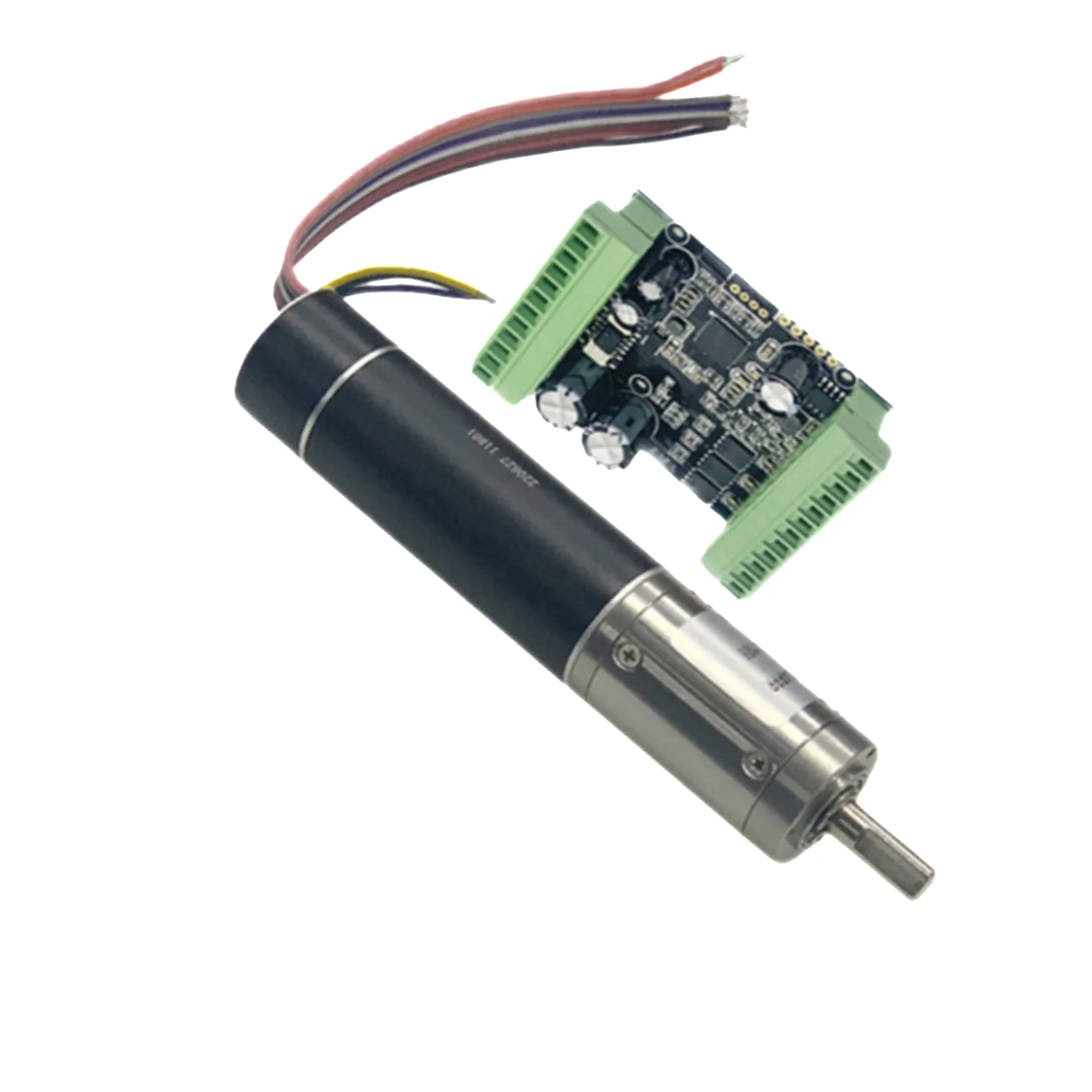
Greetingsto a detailed analysis concerning brush-free DC motors including their Brushless DC Motor industrial deployments.
Brushless DC motors provide a robust method to normal brush-equipped motors in extensive situations. These engines make use of vigorous electromagnets and meticulous microprocessor-based regulators to generate rotational rotation. This avoids the imperative for physical brushes, producing enhanced capability, lowered maintenance burdens, and augmented service lives.
- What's more, brushless DC motors are recognized for seamless operation, space-saving size, and top-notch torque-to-weight ratio.
- As a result, they are applied within a wide assortment of deployments, featuring
Precision Control Micro Gear Motors
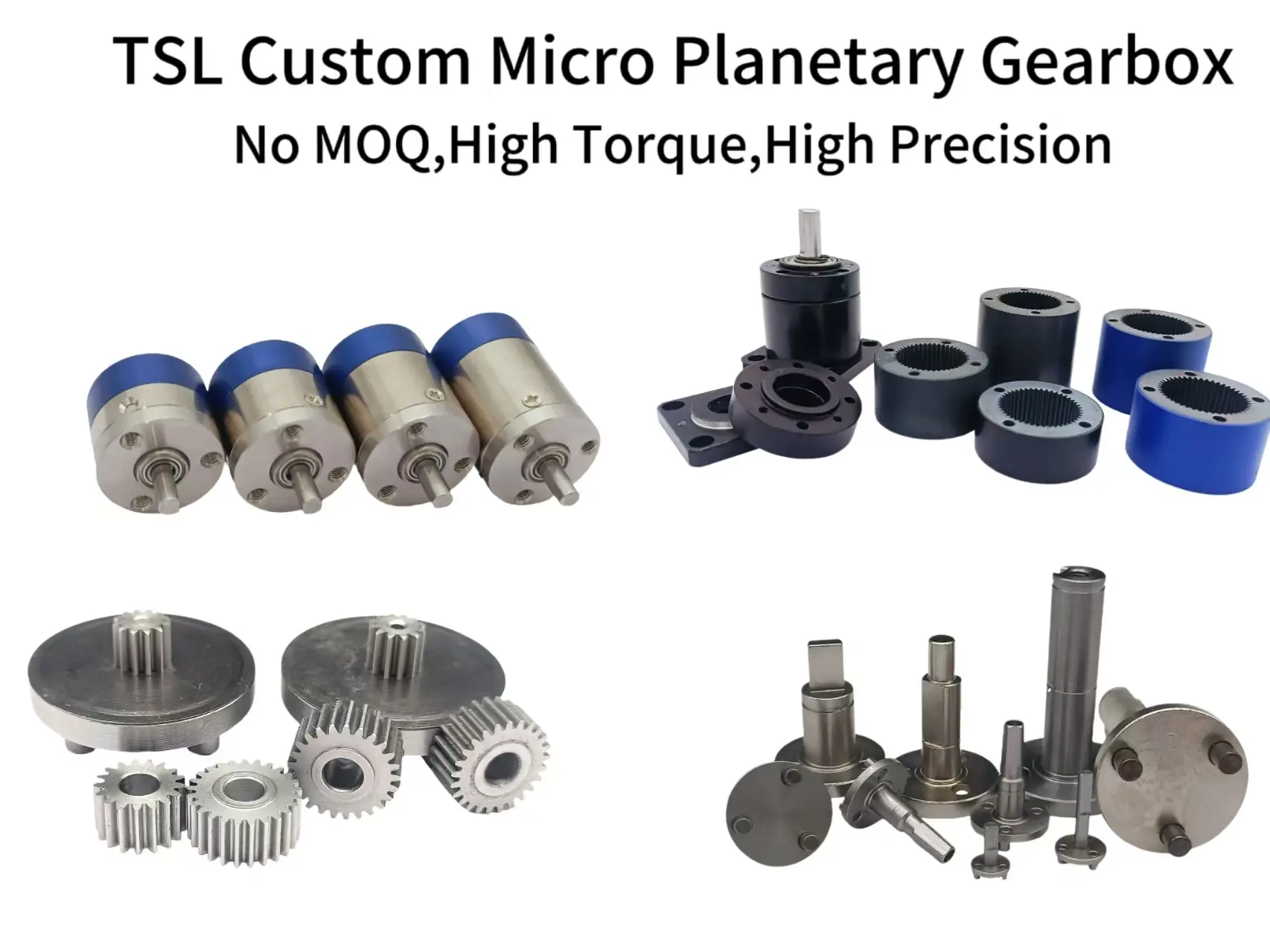
Precisely engineered micro gear motors yield extraordinary management within multiple deployments. These small motors leverage precise transmission gears to initiate faultless steps with high driving power. Their noted meticulousness renders them optimal for fields such as robotics, medical devices, and engineering.
- Micro gear motors present high precision and quiet operation.
- Their adaptable design facilitates customization to cover particular application conditions.
- Because of innovation in production, micro gear motors are becoming more cost-effective.
Small Stepper Drives for Robotics
Reduced dimension stepper motors present robust and compact solutions for accurate motion control in diverse robotics and automation applications. These highly efficient motors employ magnetic fields to generate rotational movement with precise incremental steps, rendering them appropriate for activities requiring correct positioning.
- Implementations for mini stepper motors range factory automation to consumer electronics and healthcare equipment.
- Their small size assist integration into restricted zones, while their robust power rating maintains efficient performance.
- Besides, mini stepper motors exhibit low noise operation and reduced vibration, making them ideal for applications where hushed performance is critical.
Picking Twelve Volt DC Gear Motor
In opting for a 12V DC gear motor for your project, there are numerous criteria to contemplate. Initially, determine the needed torque and speed. This depends on the resistance that the motor will be bearing. Next, check the reduction ratio of the gear mechanism. A higher reduction ratio improves torque accompanied by speed drop.
In addition, reflect on the motor's capability and thermal operating range. In addition, the motor's physical extent should correspond to your build.
Lastly, it's essential to pick a trustworthy manufacturer and authenticate that the motor meets standardized criteria.
Exploring Brushless DC Motor Principles
This brush-free motor behaves like a type of electric motor that harnesses steady magnets to twist a shaft. Unlike brushed motors, these motors remove the commutators required for current flow. This structure delivers several advantages, such as improved longevity, reduced maintenance, and a more peaceful operation.
Functioning of a brushless DC motor is governed by the interaction between the spinning magnets and a series of winding coils. These turns are arranged in a specific structure to create magnetic fields that interact with the rotor magnets. This interaction produces rotational force that causes the shaft to rotate.
To manage the motor's revolving rate and path, a electronic driver supplies varying pulses of current to the stator coils. The cycle of these pulses determines the magnetic field orientation in the stator, which in turn dictates the rotor's position and spin.
Advanced Micro Gear Motors for Industry
In today's industrial landscape, quality and precision are critical. Companies look for leading-edge methods to advance their processes and attain high performance. Micro gear motors have emerged as a integral piece in this challenge, delivering compact yet effective actuation systems for multiple applications.
Top-class micro gear motors furnish exceptional power density, allowing them to deliver ample power within a tight footprint. These motors are built with resilient materials and leading-edge designs to bear intense operating settings and ensure consistent performance long-term.
- Advanced gear mechanisms curbs friction and wear, augmenting efficiency and securing motor functional life.
- Exact control mechanisms provide regulation of speed and torque, meeting separate industrial needs.
- Internal encoders provide accurate tracking feedback, enhancing system performance and precision.
Regarding automation and robotics to medical devices and consumer electronics, top-level micro geared motors are upgrading industries by granting compact, powerful, and precise drive solutions.
Small Stepper Motor Controllers and Functions
Step-torque motors furnish precise positional control in many situations. Miniature stepper motor driver circuits are vital for managing these compact motors. These circuits typically leverage integrated elements specifically designed for driving stepper motors, supplying capabilities like current modulation, direction inversion, and velocity adjustment.
Employments for miniature stepper motor driver circuits are varied, spanning areas such as robotics, automated systems, consumer technology, and diagnostic tools. They can be found in scenarios like precision fine-tuning of position, product handling, feedback mechanisms, and human interface modules.
Advantages of 12V DC Gear Motors
12V DC gear motors supply a vast range of good points for numerous applications. Their concise size makes them apt for cozy spaces, while their high torque output enables them to manage heavy loads with ease. 12V DC gear motors are also known for their productivity, minimizing energy and executing hushed. They offer careful control, making them suitable for tasks requiring precise movements. Furthermore, these motors are hard-wearing, able to withstand demanding conditions and provide dependable performance over time.
Efficiency and Power Density of Brushless DC Motors
Brushless DC (BLDC) motors are known for their exceptional effectiveness, consistently outperforming their brushed rivals. This superior efficiency springs from the absence of friction-causing brushes, cutting down energy bleeding. Moreover, BLDC motors boast a remarkable performance density, enabling them to deliver substantial power within a relatively small envelope. This mixture of peak effectiveness and power density makes BLDC motors perfect for a wide array of applications, covering electric vehicles, robotics, drones, and consumer electronics.
- Core aspects shaping BLDC motor efficiency include rotor arrangement, magnetic matrices used, control algorithm employed, and operational circumstances.
- Elevating power density in BLDC motors commonly involves using forceful magnet arrays, optimizing electromagnetic coil arrangements, and employing innovative fabrication techniques.
Unceasing advancements in BLDC motor technology persist to push the boundaries of efficiency and power density, making them an augmenting popular choice for extensive industries.
Analyzing Micro Gears, Steppers, and DC Gear Units
Picking the right motor calls for understanding the peculiar traits of each type. Micro gear motors, stepper motors, and DC gear motors all provide different advantages and disadvantages. Micro gear motors are known for their small size, making them optimal for cramped spaces. Stepper motors possess precise motion accuracy, making them beneficial for applications requiring specific steps. DC gear motors provide a amalgamation of power and effectiveness.
- Reflect on the torque levels of your application.
- Review the required speed and positional exactness.
- Include the atmosphere.
By diligently assessing these details, you can opt for the motor that best matches your specific conditions.
Utilizing Brushless DC Motors in Builds
Brushless DC motors offer exceptional output and hardiness, making them a popular choice for a wide range of applications. Adding these motors into your projects can markedly improve their overall efficiency. Before starting, it's imperative to be aware of the fundamentals of brushless DC motor operation and choose the appropriate driver for your specifications. A thorough grasp of control signals, control loops, and signal circuits is imperative for robust integration.
- Points to review when selecting a brushless DC motor
- Device specifications and parameters
- Regulation signals and communication protocols
- Sensor systems for accurate positional accuracy, speed control, and torque management control