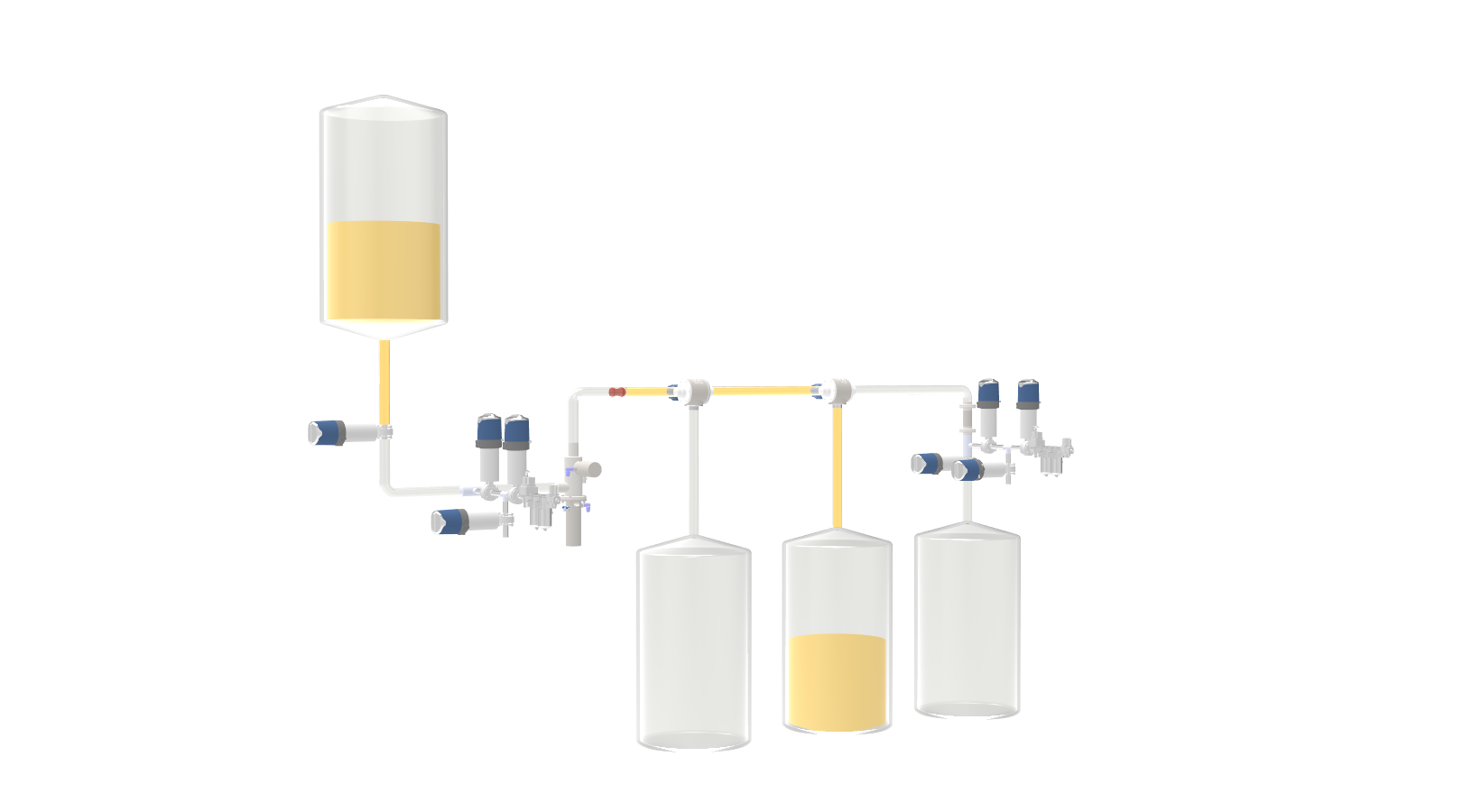
How can integrated ecosystems of vendors and operators advance pipeline pig speed control?

Elevating data capacity calls for detailed adjustment of Pig pace.
Exact Conduit Pig Velocity Control: Focused Hands-on Instruction
Ensuring optimal pig tempo is necessary for productive pipeline inspection. Controlling pig flow rigorously necessitates a detailed cognizance of assorted factors, comprising pipeline layout, pig composition, and material traits. This handbook describes applicable techniques for refining pig momentum, addressing points like deployment pressure, receiving pressure, and the bearing of return pressure. Conclusively, consistent pig speed oversight leads to enhanced tube soundness and lower active pig speed in pipeline outlays.Determinants Shaping Pigging System Movement
Several vital aspects alter the velocity at which a pig operates through a conduit. Load, both the initial and backward, is a substantial impetus; a higher pressure differential generally contributes to a faster pigging movement. The thickness of the pipeline also plays a influence, with larger diameters allowing for enhanced pig timings. Furthermore, the apparatus's build, including its extent and form, directly modifies its transit. Finally, the level of scale and the abrasiveness of the pipe covering can cause hindrance, slowing pigging movement.
Keeping Optimal Pig Flow in Processes
Ensuring reliable medium progression within conduit structures is paramount for efficient throughput. Several parameters influence component speed, including line caliber, compression, and fluid consistency. Scheduled surveillance of component speed and immediate alteration of active configurations are indispensable to prevent obstructions and safeguard maximal effectiveness.
Supervising Pig Cadence: Key to Effective Pipeline Sanitation
Competently handling scraper pace is indispensably important for realizing a intensive pipeline service. Too quick a speed can stress the infrastructure, while insufficient a transit may stop clearing all residue. Therefore, deliberate modification of the pig's forward velocity is key to both pipeline integrity and upkeep outcome.
Certain Outcome of Pig Flow on Pipeline Pigging Activities
That speed of the apparatus significantly impacts the effectiveness of pipeline pigging events. A moderate timing may support for more extensive buildup removal, particularly in intricate pipeline sections, but can elongate the overall undertaking span and conceivably increase running spending. Conversely, a boosted momentum can quicken the cleaning routine, contracting interval and outlay, however, it risks a inadequate cleaning and can likely harm the tube. Therefore, modulating tool speed requires attentive inspection of pipeline features, compound features, and desired conclusions.
Handling Mechanism Rate: Foremost Strategies and Problem-solving
Upgrading servicing system flow is essential for heightening effectiveness and reducing waiting times. Normally, fitting servicing timing ranges spanning five length units per minute, although this can alter depending on conduit dimension, substance form, and cleaning tool setup. If encountering slow maintenance speed, assess factors such as excessive hindrance from encrustation, degraded unit elements, or narrowings within the pipeline. Regular repair, including mechanism assessment and waste removal, is essential to retain reliable maintenance timing and complete arrangement stability.
Grasping Pipeline Pig Momentum and its Ramifications
A momentum at which a unit traverses a conduit is a important factor impacting functionality and preservation. High speed can lead to excessive roughness, potentially leading to elevated resource use and even swift impairment of the pig itself, as well as the conduit. Conversely, excessively slow pace might give rise to unthorough treatment, prolonged interruption, and a diminishment in overall efficiency. Therefore, meticulous calculation and trustworthy monitoring of pig speed are necessary for improving pipeline efficiency and reducing costly shutdowns.
Next-generation Procedures for Pig Speed Management
Maximizing livestock rate in nourishment presents a important challenge for up-to-date cultivators. Employing state-of-the-art tactics like concurrent analysis of particular beast’s nutrition and utilizing focused feed delivery systems can dramatically decrease instances of immoderate eating and elevate overall population success. Furthermore, uniting activity tracking with environmental modulation – such as altering climatic factors and radiance – provides important data for fine-tuning porcine timing methods and facilitating a more even growth segment.