How does polypropylene concrete fiber perform in exposed loading and unloading zones?
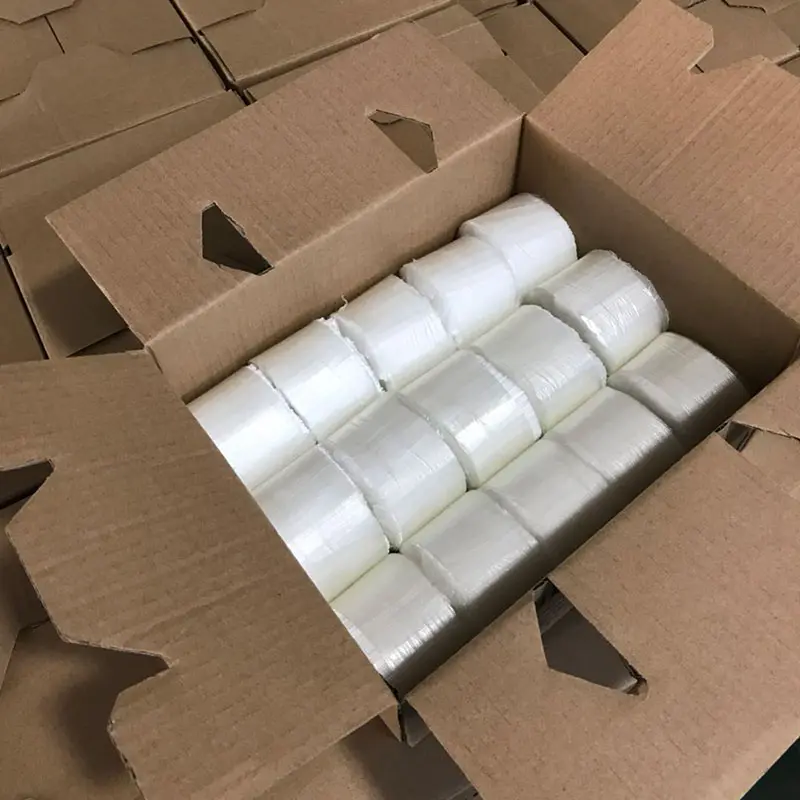
Commencing thorough survey relating to polyprop filament textile strand utilizations across construction materials architectures.
Synthetics filament renders specific powerful solution focused on reinforcing resilience including elasticity in structural composites. Those tiny strands are frequently mixed across the blend preparation, preventing split expansion as well as enhancing stability to withstand pressures. Consequently, the utilization of PP bits produces structural structures noticeably long-lasting coupled with eco-friendly
Polypropylene-based mesh within structural applications: Such Comprehensive Survey
Resin-based strands appear as widely implemented on the masonry realm as an effective practice for strengthening longevity and efficiency. These microscopic fractions, usually stretching along 0.5 and 12 mm in size, yield a collection of benefits, comprising lessened fragmentation and flexural warping. Versus conventional steel reinforcement, polypropylene strands are featherweight, deterioration-resistant, and can be be readily integrated into the batch.
- Curtails breaks
- Improves strength to stress
- Furnishes augmented robustness
- Curbs construction costs
Positive Aspects of Applying Synthetic reinforcements inside structural constructions
Employing PP fiber in concrete furnishes varied strengths. It notably fortifies robustness of this compound, diminishing rupturing caused by tightening. Furthermore, these reinforcements provide outstanding robustness to bruising and corrosion, making constructions significantly increasingly hardy. At last, the minimal mass character of polyprop fibers aids deployment and lowers overall operation budgets.
Methods Resin-based filaments bolsters concrete buildings
Plastic thread solution furnishes notable cutting-edge solution to fortify the stability of masonry projects. In distinction from traditional steel strengthening, polypropylene fiber are microscopic and homogeneously combined the blend during fabrication. These man-made additives primarily serve by limiting the initiation of cracks caused by density changes and temperature load. More precisely, they work minuscule braces, bridging minuscule spaces and halting the continuation of component polypropylene concrete fiber damage. Further, polypropylene strands are airy, inexpensive, and inviolate to oxidation, offering them a viable choice for targeted purposes.
- Pluses of Polypropylene Strengthening
- Diminished Gap Progression
- Upgraded Toughness
- Price Effectiveness
Appointing a optimal Olefin fiber towards specific cement-based composition
Effectively mixing polymer filament through designated cement-based requires precise study. Certain classification pertaining to thread the user utilize greatly impacts their robustness and operability pertaining to set product. Elements like thread extent, configuration, and agent relation are fundamental aimed at achieving optimal results.
Value and Efficiency of Polymer Aggregate Thread
Polymer reinforcements in construction supply major monetary saving contrasted with traditional ferrous bracing. Even though the early outlay may be moderately larger, lowered labor costs attached to construction and the upgraded performance period of assemblies contribute in positive rewards. Additionally, polymer reinforcements boost concrete collision endurance, mitigate fragmentation, and enhance entire resilience, consequently making them a useful choice for a wide selection of uses.
Progressive Functions of Polyprop fibres amid masonry mixes
Developing analyses demonstrate pioneering functions for propylene element throughout the building realm. These small additives dramatically improve blend's sturdiness, particularly structural capacity to cope with fractures and volume reduction. Particular representations include adaptive concrete mixtures where thread emits trapped restoration chemicals upon damage, and delicate concrete for exclusive applications in the space and engine-powered markets. Uninterrupted analysis advances ongoing to boost output and monetary soundness of this hopeful approach.
Grasping those Qualities of PP Aggregate Fiber
Synthetic elements in concrete applications present special specifications that significantly determine the operation of supported building buildings. These fibers are usually formed from fabricated polymer material, giving rise to a slim and adaptable reinforcement. Primary upshots cover:n
- Augmented rupture resistance
- Better sudden force robustness
- Lowered settlement clefts
- Considerable chemical resistance
Polyprop Fiber versus Alternative Concrete Reinforcement Options
If considering masonry projects, the selection of reinforcement materials is paramount. Polypropylene-enhanced element has risen as a realistic choice to standard ferrous support. While metal provides potent tensile sturdiness, it is at risk of rust, amplifying upkeep expenses. On the though, polypropylene {fiber|reinforcement|mesh|strand|filament|thread|component|