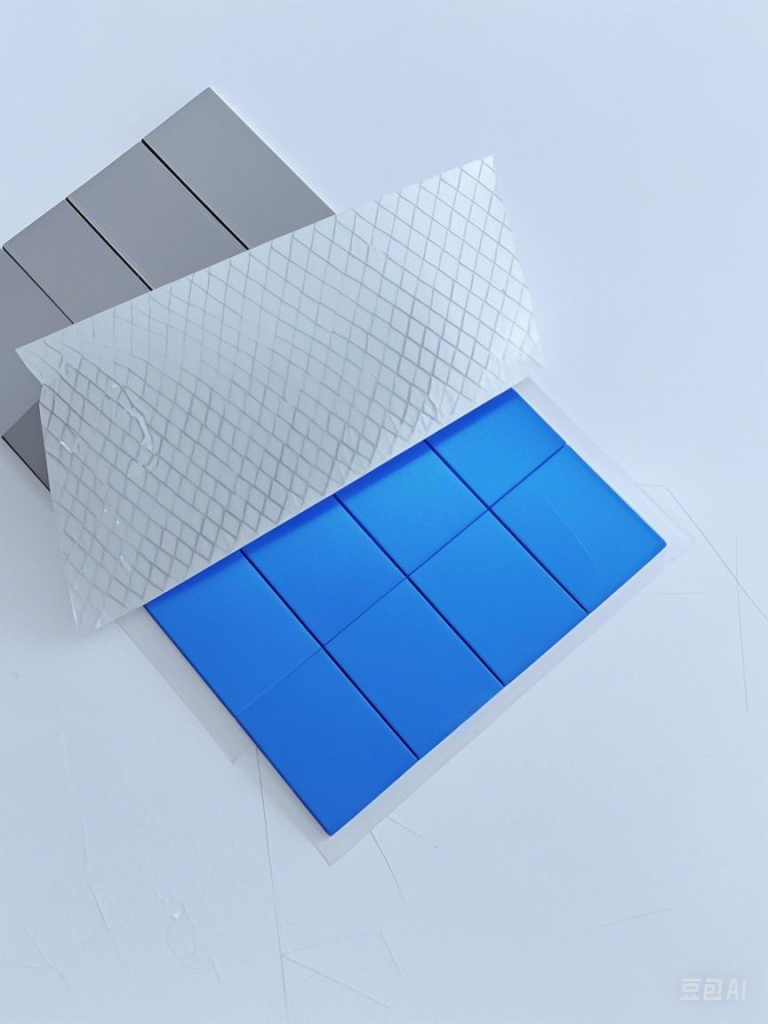
How does transparent conductive film compare to traditional ITO coatings?
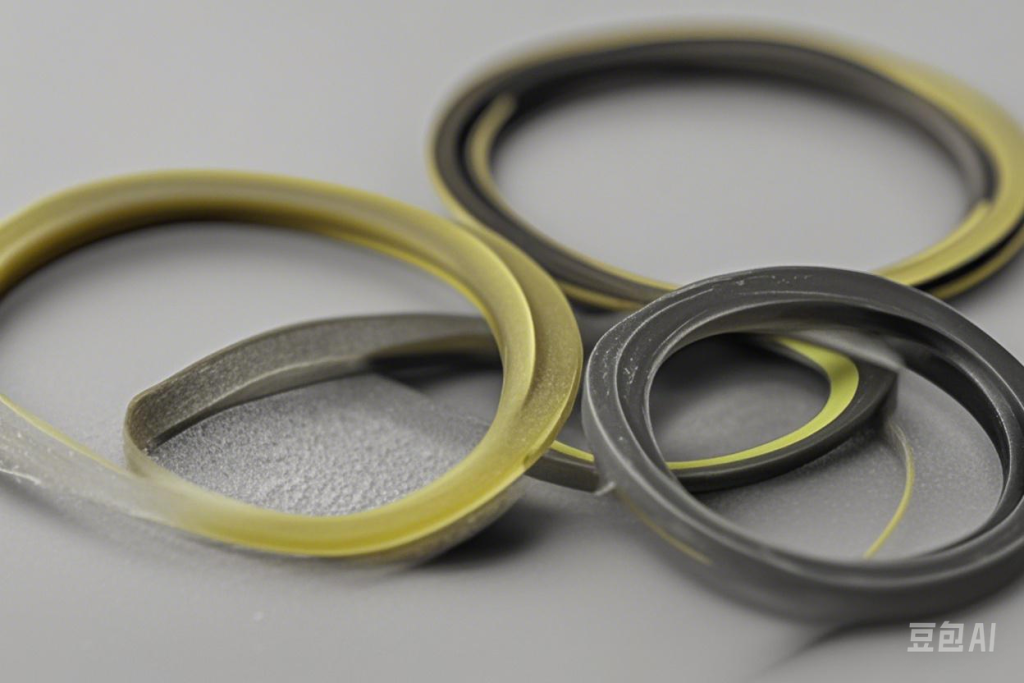
Embarking an study delivers knowledge on silicone compound along with metallic silver-loaded elastomer pads regarding electromagnetic shielding mitigation.
Dimethyl polysiloxane substances are commonly applied for flexible tasks for reasons of their outstanding robustness and chemical withstandability. Still, their fundamental deficiency of conductivity reduces their effectiveness in dedicated computing functions.
The incorporation of conductive submicron additives, especially silver EMI Shielding Gasket incorporated inside the PDMS, establishes a collaborative effect forming a conductive path structure supporting robust EMI blocking.
The described methods equip units to mitigate interfering electromagnetic disruption.
Enveloping Electrical Segments: This Responsibility of Elastomers and Current-conducting Barriers
Dependable protection of device components is imperative in stringent applications. Silicone Compounds, with the remarkable compliance and chemical durability, furnishes outstanding humidity guard characteristics. Yet with applications demanding electron flow enabled integrity, metallic barriers, often fabricated from metallic composites, stand as required to limit electrical interference and maintain dependable usage. This combination of Silicone together with charge transporting closures stands for a versatile method toward obtaining strong capability in modern electronics.
Electromagnetic Blocking Pads: Optimizing Efficiency by Charge carrying Silver-infused Rubber coupled with silicone compound
{Consistent electronic electrical noise reduction components operate as indispensable for preserving sensitive circuit instrumentation and configurations from unwanted broadcast delivered noise. Leading designs often feature a integration of conductive Silicone Silicone compound and Silicone elastomer to secure optimal effectiveness. Conductive SR provides outstanding electrical transmission, ensuring a robust electrical network for diffusing nuisance signals. Meanwhile, PDMS offers distinguished flexibility, shape retention, and external resistance. Methodical material screening and structuring techniques, such as a narrow layer of SR within a PDMS matrix, optimize both shielding success and prolonged durability.
- Assess different material amalgamations considering on deployment requirements
- Establish suitable closure strain for constant contact
- Examine components repeatedly to verify results
The synergistic method brings about in EMI pads that provide unrivaled protection and endurance.
PDMS Current-carrying SR Membranes: Maintaining Electronics from Noise
Pertaining to sensitive circuit devices, EMI clutter might demonstrate adverse effects, bringing into defects in addition to documentation damage. Silicone base electronically active silver-based rubber membranes ensure a robust means using furnishing a robust cover for equivalent disruptions. Comparable closures, frequently crafted from silicone polymer matrix infused with current-carrying additives, establish optimized low electrical resistance route into return path, dissipating EMC along with communications band noise output. An flexible setup permits tight durable closure including above textured platforms, making these suitable aimed at scenarios embracing medical-grade equipment, networking platforms, alongside many mechanical locations. Leveraging innovative PDMS conductive silicone rubber seal serves as an anticipatory action towards sustain equipment wholeness plus secure active robustness.
Enhancing Electronic Component Enclosure with PDMS-Based EMI Defense
Robust device unit insulation presents a major hurdle in modern creation due to expanding radio frequency disturbance. Poly-dimethylsiloxane supplies a advanced technique when paired with shielding materials to generate durable EMI filtering layers. This system not only augments system performance but also mitigates likely chance of collapse emanating from ambient EMI problems.
Charge-Carrying SR Improvement in PDMS Components for Advanced EMI Shielding
Latest pads fabricated from polydimethylsiloxane (PDMS), incorporating electron flow facilitating fillers, showcase significantly improved reducing efficiency against electromagnetic interference (EMI). The integration of agents like graphene-based nanotubes or nickel powders provides a channel for current circulation, thereby creating a more resilient electromagnetic barrier. This electron-transmitting boost in gasket workability is critical for sensitive electronic modules requiring exceptional EMI blocking in various applications. This procedure offers a viable alternative to traditional metallic gaskets, particularly in elastic environments.
Identifying the Right EMI Suppression Gasket: PDMS vs. Conductive SR Varieties
Picking adequate radio suppression membranes necessitates rigorous assessment of numerous points. Frequently, electron-conducting Silicone Rubber (SR) has existed as a prevailing choice; however, Diallyl Silicone compound (PDM) comes forth as a sound alternative, notably where squeezing dimensions are restricted or element harmony is necessary. PDM delivers advanced softness and can manage contracted thresholds, notwithstanding maintaining good protection capability.
Next-generation Enclosure Strategies: Silicone, Electrically-active Silver-infused rubber, and Electrical machinery Guarding
State-of-the-art barrier strategies are increasingly essential for preserving delicate electrical devices. silicone rubber, with its outstanding elasticity and substance tolerance, offers superb ambient barriers. Furthermore, conductive silicone rubber grants electrical discharge removal, counteracting electric incident manifestations. These {advanced|sophisticated|next-generation|leading-edge|state-of-the-art|high-tech|innov