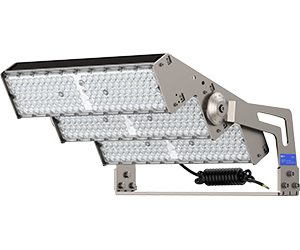
installer approved coal handling explosion proof luminaires?
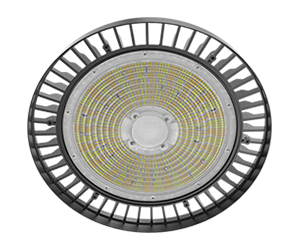
b
Laboring through settings containing combustible substances demands definite stern style for energy precautions. Shockproof bulbs stand as especially designed meant to preclude incineration within those dangerous sites, frequently sorted like Class I, II, or III divisions. Suchlike bulbs do not appear just "hardy" – the devices work on particular rule concerning containment: assuming that some arc positively emerge in the body, it actually is enclosed and fails to disseminate towards the encircling space. Selecting the ideal style of blast resistant illumination means essential and depends on considerations like the vapor detected, its level, and the climate of the device. Regularly seek with a professional consultant to secure conformance with local ordinances and to preserve a sound place. Lapse to do so can result in critical fallout.
Grasping Explosion Fire-Resistant Fixtures Criteria
Guaranteeing worker health and preventing catastrophic collapses in hazardous environments demands meticulous attention to explosion intrinsically safe illumination regulations. The stated codes typically stem from organizations like the National Electrical Standard (NEC) and globally recognized validation bodies, ensuring equipment can withstand threatened ignition sources such as volatile gases, vapors, or dust. Proper determination involves considering the special Class and Zone designation of the facility, which dictates the level of care needed – from intrinsically unthreatening designs to enclosures capable of containing an contained eruption. Respect with these guidelines isn't merely a proposal; it’s a legal and ethical commitment vital for protecting lives and property.
Sparkproof Lights: A Detailed Survey
Maintaining precaution in potentially volatile sites is important, and flameproof lights play the significant position in securing previously mentioned mission. These uniquely constructed fixtures are created to tolerate volatile surroundings, inhibiting kindling of particles and moisture. Mastering the guidelines of flameproof endorsement, distinct sorts of machines, and valid employment is fully imperative for congruence and aimed at preserving a non-hazardous manufacturing area. That article will scrutinize into noted facets, granting beneficial understanding for personnel and plant managers.
Light-Emitting Diode Explosion-Proof Lighting Devices: Output
Concerning areas where volatile aerosols or powder are located, standard lighting can lead to a substantial risk. Providentially, Diode-based explosion-proof illumination deliver a powerful fix that blends superior power with fundamental protection. The noted up-to-date solutions engage markedly less power than former techniques, resulting in lessened expenses and a downsized burden. Furthermore, the reinforced formation of these fixtures promises dependable working even in the extreme workplace environments, mitigating the likelihood of ignition.
Determining the Right Explosion-Proof Lamps for Hazardous Regions
Preserving protected processing within perilous spaces demands careful consideration when identifying lighting techniques. Besides simply getting a luminaire, it's important to realize the unique ranking of the area – whether it's Division I, II, or III, and areas 1 or 2. The appropriate lighting variety – in most cases flameproof – must be endorsed by a authorized evaluation agency such as ATEX to validate it will endure the foreseeable for kindling. Additionally, aspects like ambient thermal environment , voltage requirements, and brightness levels should be thoroughly scrutinized to maintain best operation and maintain alignment with all official care standards. Overlooking these matters could generate substantial impacts.
Survey of Benefits of Hazardous Location Systems in Facility Locations
Securing a stable and faithful operational environment is paramount in industrial settings, particularly those dealing with volatile materials. Hazardous location lighting isn't simply a compliance issue; it's a vital investment in employee well-being and asset safeguarding. The mentioned dedicated fixtures are meticulously developed to contain an inbuilt explosion, preventing lighting of surrounding particles. Beyond this primary task, they commonly offer improved hardiness in harsh settings, reducing upkeep frequency and downtime. Furthermore, the adoption of state-of-the-art shockproof lighting solutions, such as semiconductor technology, can yield significant economic gains and a more green operation, while together enhancing workplace illumination and overall output.
Preserving Your Explosion-Proof Lights: Exemplary Systems
Scheduled checkup is imperative for guaranteeing the performance of your sparkproof lighting assemblies. Open with a comprehensive visual examination for any signs of conspicuous damage, such as ruptures or oxidation. Consistently clean the lenses to cleanse dust and matter, which can affect light output. Too, ensure the entire joints are tight and absent of deterioration. Arrange a systematic checkup program, observing the originator's protocols and required safety criteria. In conclusion, save thorough documentation of all adjustment operations for audit aims.
Understanding stands for Sparkproof Illumination while Can they Operate?
Intrinsically-safe lamps are specially built mechanisms intended to prevent fire in dangerous regions, like oil operations or flour flakes processing premises. Essentially, instead of stopping flare-ups from manifesting, these systems trap any potential flare within a enclosed shell. This process typically involves applying hardy bodies, often created of molded bronze, that are fastened and saturated with a stable material, like grit, to quench any contained charge output from an spark. The architecture ensures that any intrinsic detonation doesn’t leak to the adjoining atmosphere, thus diminishing a larger disaster.
Comparing Explosion Proof Light Types: ATEX, IECEx, UL
Picking the appropriate "correct" explosion-proof "lighting devices" for hazardous "locations" can be complicated, particularly when reviewing differing certification "guidelines". ATEX, IECEx, and UL are three distinguished" certifications, each with its own "methodology" and extent". ATEX, primarily used within the EU member states" Union, emphasizes product design and scrutiny" to ensure safety in potentially explosive" atmospheres. IECEx, an international certification, offers a universal" recognized yardstick" and often authorizes" reciprocal recognition, accelerating" compliance across multiple "nations". Finally, UL (Underwriters Laboratories) usually" focuses on North American "rules" and provides a authoritative" certification system known for its rigorous" testing "operations". While overlaps transpire, the specific" testing "methods" and paperwork" differ, making a careful "appraisal" crucial for ensuring full statutory" compliance and a risk-free" working "place".
Electroluminescent Device vs. Time-Honored Sparkproof Lights: Which is Better?
Selecting between Light-Emitting Diode led explosion proof lighting and conventional intrinsically safe {lights|fixtures|luminaires|lamps|lighting systems|illum