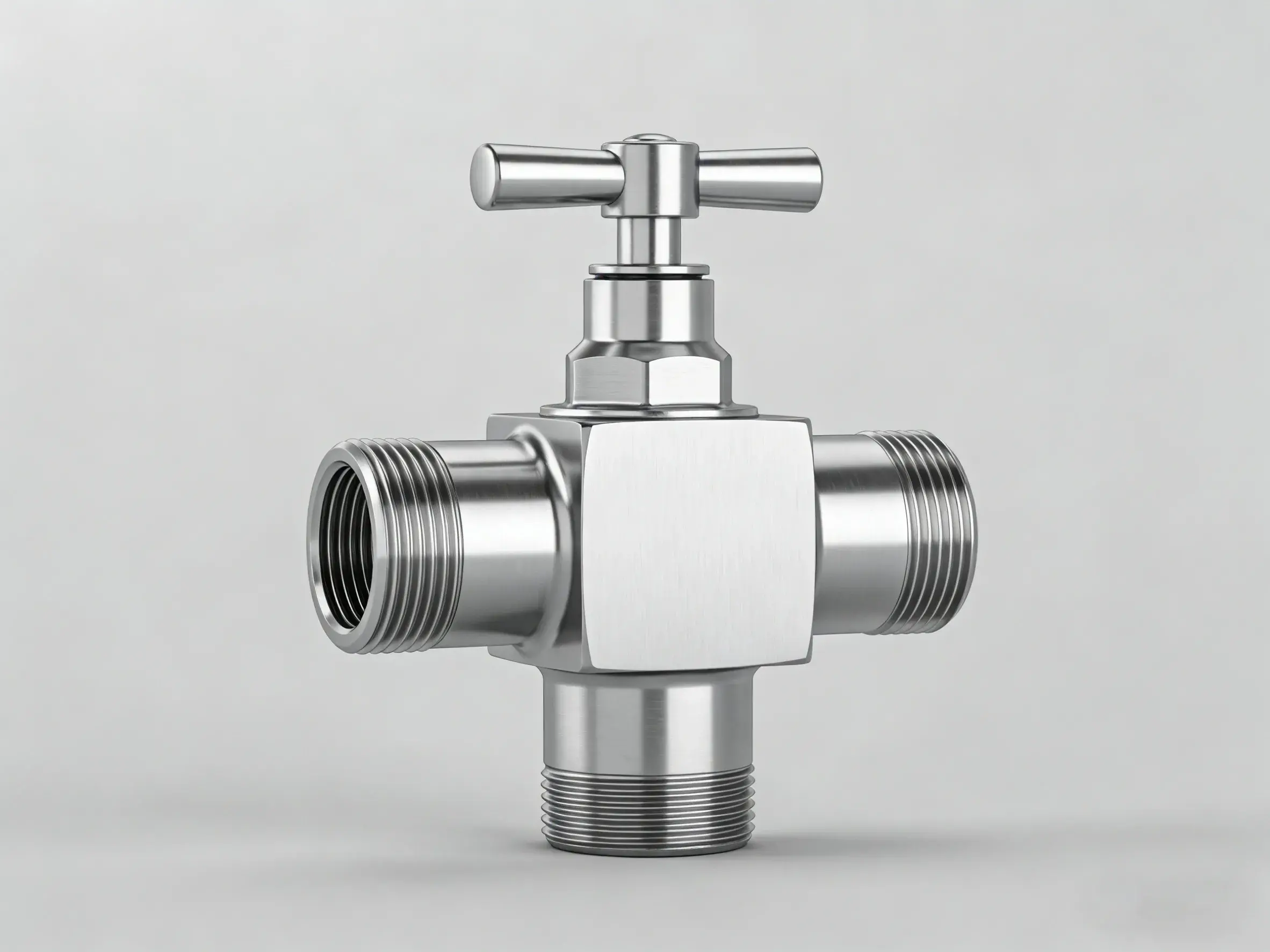
lifecycle value maximizing robust sliding gate closure valves range?
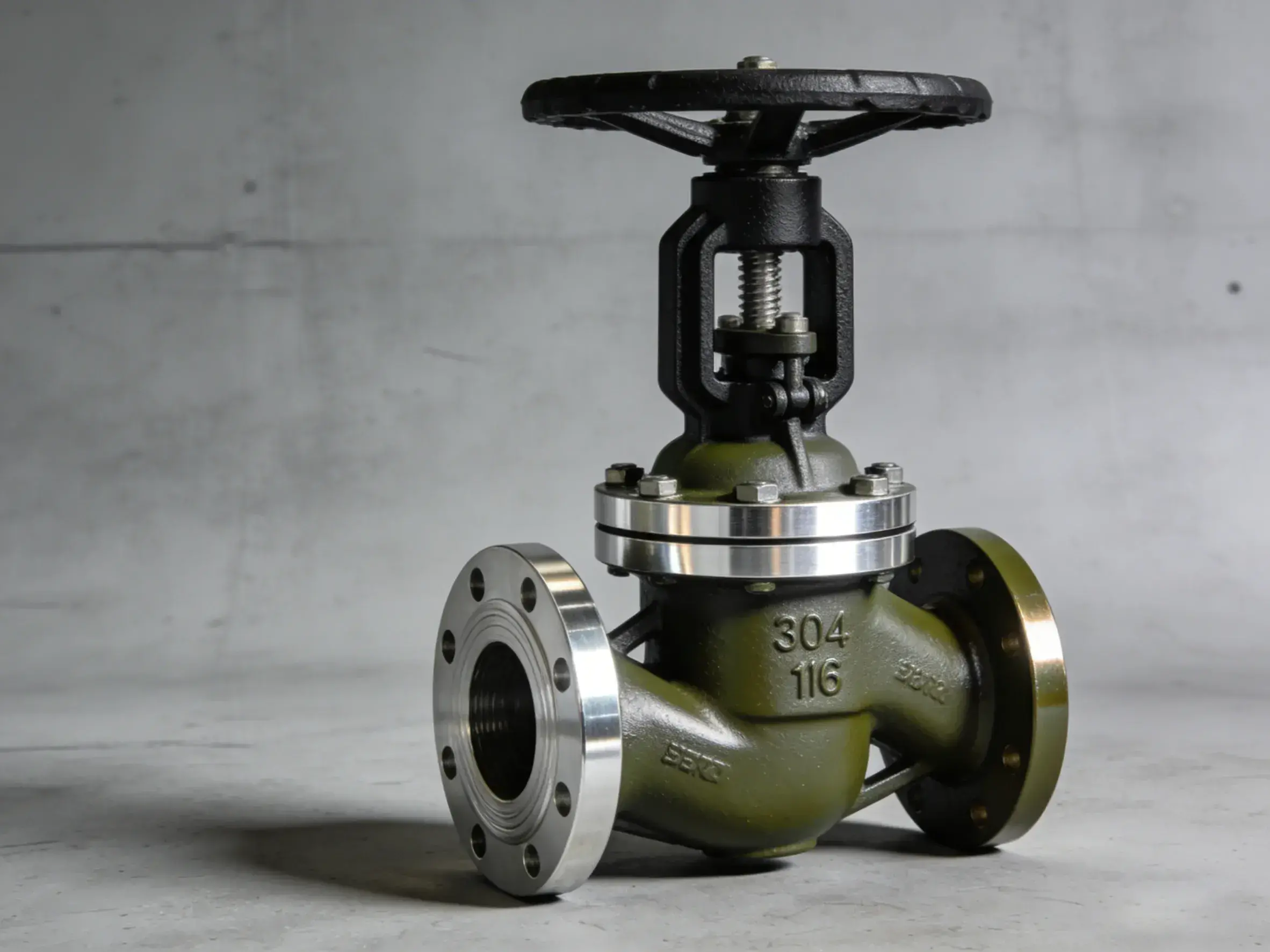
Important selection of valves for industry maximizes process productivity and entire system effectiveness. To ensure smooth functioning, it is necessary to vigilantly choose valves that align with the specific requirements of your application.
An inclusive valve selection resource has to analyze a series of considerations incorporating type of fluid, operational stress, temperature degree, flow momentum, and modulation essentials. Moreover, determining the preferred valve activation system, for example pneumatic, hydraulic, or electronic, is critical.
Detailed Evaluation of Butterfly Valve Operation
Evaluating primary effectiveness measures for butterfly valves is critical for technicians aiming for trustworthy and productive system function. Research assesses crucial variables determining butterfly valve capabilities, factoring composition characteristics, performance background, and inspection protocols. By in-depth analysis of such features, the content tries to furnish a full understanding of variables aiding butterfly valve success.
- Assembly elements powerfully govern broad performance
- The material of the valve body significantly impacts its durability in various operating conditions
- Fluid resistance constitutes an important metric analyzing butterfly valve functionality, mainly during elevated flux requirements
The Role of Ball Valves in High-Pressure Systems
Ball valves emerge as trustworthy candidates for overseeing substantial pressure functions. Their intuitive mechanism employs a circular orb with a passage that turns to adjust fluid currents. This mechanism adequately copes with intense pressure states owing to its reinforced seal.
Within sectors like petrochemical, ball valves assume a vital part in controlling elevated pressure lines. Their strength renders them suitable to endure the strain of elevated pressure liquids.
- Furthermore, ball valves are known for their quick operation, allowing for efficient flow regulation.
- Offered in diverse compositions and dimensions, ball valves are tailored to satisfy unique demands of varying elevated pressure uses.
Identifying Various Valve Varieties and Their Capacities
Within fluid mechanics, valves serve an essential duty in regulating liquid or gas movement. Determining fitting valve style is crucial for enhancing system productivity. Valves can be categorized based on their operating principle, design, and application. Typical valve categories comprise gate, globe, check, ball, and butterfly varieties. Each category reveals individual traits, fitting them for designated operations. Notably, gate valves modulate flow totally, while globe valves facilitate exact management of volume. Check valves avert back stream, enabling exclusive passage. Ball valves provide fast and dependable open-close control, whereas butterfly valves excel in high throughput scenarios.
Enhancing Fluid Regulation via Industrial Valves
Flow control is a critical aspect of numerous industrial processes. Industrial valves play a pivotal role in regulating the flow of fluids and gases within systems. Utilizing correct valve models merged with deliberate regulation methods enables companies to improve production efficiency, protection, and quality assurance.
A fundamental element in enhancing fluid control consists in grasping multiple valve applications. Different valve designs are suited for specific flow characteristics, pressure ranges, and operating environments. To illustrate, globe valves regularly fulfill flow throttling, whereas ball valves prevail in direct off-on usages.
Attaining definitive flow control involves scrutiny of variables such as valve dimensions, actuation technologies, and supervisory structures. Leveraging cutting-edge control solutions including PLCs permits robotic flow surveillance and adjustment, advancing process efficiency.
Regular maintenance of industrial valves is crucial to prevent failures and maintain optimal flow control. Pinpointing possible troubles early helps curtail expensive breakdowns and assure fluid operation of crucial methods.
Repair Protocols for Plant Valve Mechanisms
Regular maintenance of industrial valves is crucial for ensuring smooth and reliable operation within any industrial setting. A detailed routine must be followed, involving periodic checks to uncover prospective concerns ahead of critical breakdowns. Applying lubricant to valve sections adhering to supplier counsel substantially boosts lifespan and lessens resistance. Moreover, ensuring valves remain free of accumulation helps avoid dysfunctions.
A complete repair program needs integrating detailed documentation of valve-related tasks, involving timing, technicians, and replaced elements. This meticulous record-keeping helps track valve performance over time and facilitates informed decision-making regarding future maintenance needs.
Utilization of Automation in Valve Control
The spread of automation has influenced valve control methodologies broadly. Employing automation technology facilitates better valve oversight, decreasing human interaction and raising operational efficiency. Automatic valve control provides numerous advantages such as improved precision, lowered stoppages, and enhanced security
- Monitoring equipment assumes indispensable parts in electronic valve systems, sharing real-time updates on valve state. Such feedback is analyzed by management units to dynamically modify valve parameters
- Distributed control systems typically operate automated valve mechanisms, promoting sophisticated control tactics. The architectures monitor valve service, diagnose troubles, and conduct fixing procedures
Furthermore, automated valve functioning enables enhanced operational tracking. Receiving valve performance data helps technicians secure useful intelligence to maximize process functionality and cut expenditures
Fundamental Safety Guidelines for Valve Setup
When mounting valves in industrial settings, meticulous safety standards are fundamental. Breaching precautionary protocols invites perilous failures, conceivably producing system damage and essentially personal harm. A systematic risk study requires execution ahead of fitting suspected threats and implementing fitting safeguards.
Ascertain all personnel executing assembly tasks have adequate education and licensing concerning valve usage and safety protocol adherence. Institute a systematic calendar of maintenance checks intended to spot malfunctions or wear on valves. Manage detailed archives involving all setup, examination, and upkeep procedures to assist future maintenance
- Meet mandated trade directives and provisions managing valve deployment and oversight
- Use fitting implements and technology developed for plant valve assembly
- Communicate effectively with all stakeholders involved in the project to ensure a safe and efficient installation process
Valves: Indispensable Units for Industrial Processes
Across the sophisticated segment of fabrication/processing/manufacturing frameworks, valves become fundamental pieces. They function to control fluid movement through intricate networks, maintaining effective operation and security. Valves integrate broadly into numerous operations, involving handling of heat and pressure as well as transporting commodities
- Various valve groups emerge, each tailored to accomplish selected missions. Familiar samples feature gate, ball, and globe types
- The selection of the appropriate valve depends on factors such as flow rate, pressure, temperature, and the type of fluid being handled
- Dependable valve operations remain critical in manufacturing contexts to avoid interruptions and guarantee output standards
Frequent evaluation of valves is crucial for enhancing durability and avoiding prospective malfunctions
Advanced Materials in Valve Design and Manufacturing
The enhancement of valve making and design predominantly emerges from sustained adoption of high-tech materials. These pioneering materials furnish wide-ranging improved aspects against customary substitutes, aiding fabricators in generating superior valves. Some key examples include high-performance ceramics used for their strength in demanding environments, and lightweight alloys that maximize performance while minimizing weight. The utilization of novel compounds enables valves showing advanced sealing abilities, lengthened duration, and augmented corrosion resistance
Valve Operation Systems: A Comparative Analysis
{This investigation delves into the diverse valve actuation mechanisms prevalent in modern engineering applications|This exploration examines the varied valve drive technologies common in contemporary engineering uses|The study analyzes the mixed valve triggering systems typical in current engineering projects|This research Bag Filter Manufacturer evaluates the assorted valve motion methods widespread in advanced engineering scenarios|The survey inspects the multiple valve control techniques existing in up-to-date engineering solutions|This review considers the assorted valve operating mechanisms encountered in present-day engineering environments|This analysis explores the various valve activation systems found in progressive engineering implementations|The inquiry scrutinizes the heterogeneous valve act