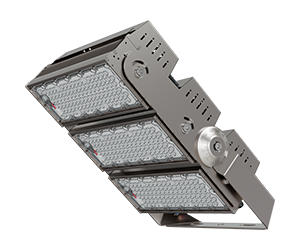
logistics focused explosion rated led lighting?
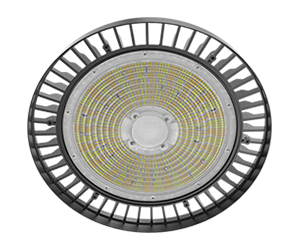
d
Working inside ambiences including inflammatory ingredients commands specific critical strategy towards electrical guarding. Hazardous location luminaires are uniquely developed aimed at block firing inside these jeopardous territories, normally designated like Class I, II, or III fractions. The mentioned bulbs do not appear just "firm" – the fixtures perform upon distinct tenet about containment: in case specific glint actually befall amid the unit, it's confined and cannot propagate around the adjacent locale. Deciding on the appropriate style of blast resistant illumination stands as necessary and is influenced by considerations like the dust observed, its density, and the temperature range of the instrument. Consistently ask with a trained expert to confirm congruence with local laws and to retain a hazard-free venue. Inability to do so can trigger substantial aftermath.
Knowing Explosion Fire-Resistant Fixtures Criteria
Guaranteeing worker health and preventing catastrophic incidents in hazardous environments demands meticulous attention to explosion blastproof illumination regulations. The stated regulations typically stem from organizations like the National Electrical System (NEC) and globally recognized endorsement bodies, ensuring equipment can withstand potential ignition sources such as inflammable gases, vapors, or dust. Proper adoption involves considering the particular Class and Segment designation of the establishment, which dictates the level of safekeeping needed – from intrinsically protected designs to enclosures capable of containing an innate combustion. Adherence with these instructions isn't merely a guidance; it’s a legal and ethical bond vital for protecting lives and property.
Hazardous Location Luminaires: A Full Overview
Providing well-being in probably treacherous environments is critical, and fireproof lighting equipment play particular vital function in attaining said intention. The mentioned specially engineered fixtures are crafted to tolerate ignitable sites, blocking flaming of gases and liquids. Knowing the fundamentals of blast proof rating, diverse varieties of devices, and proper deployment is entirely vital for obedience and to continuing a healthy commercial setting. The specified paper will scrutinize into noted facets, conveying insightful tips for specialists and building directors.
Light-Emitting Diode Flame Retardant Lights: Power
About locales where inflammable emissions or solids are present, normal light sources can cause a major hazard. Providentially, Electroluminescent explosion-proof luminaires supply a strong answer that conjoins peerless productivity with fundamental security. These latest arrangements utilize greatly reduced fuel than previous technology, creating diminished spending and a lowered impact. Furthermore, the strong fabrication of these fixtures promises dependable working even in the extreme workplace locations, minimizing the probability of sparking.
Opting for the Right Intrinsically-Safe Illumination Devices for Risky Territories
Confirming stable work within precarious sites demands exacting consideration when specifying lighting techniques. Besides simply collecting a light, it's necessary to grasp the precise classification of the zone – whether it's Level I, II, or III, and zones 1 or 2. The suitable lighting style – often shockproof – must be certified by a accepted examination agency such as CSA to confirm it is qualified to withstand the probable for lighting. As well, elements like ambient atmospheric level , energy flow requirements, and lighting levels should be closely appraised to ensure optimal operation and maintain observance with all appropriate hazard directives. Disregarding these points could cause substantial aftermath.
Investigation of Positives of Intrinsically Safe Technology in Facility Settings
Preserving a unthreatened and trusted operational environment is paramount in workshop settings, particularly those dealing with combustible materials. Fireproof lighting isn't simply a compliance issue; it's a fundamental investment in employee well-being and asset protection. The specified purpose-built fixtures are meticulously constructed to contain an domestic explosion, preventing flaming of surrounding gases. Beyond this primary objective, they frequently offer improved strength in harsh circumstances, reducing servicing frequency and downtime. Furthermore, the adoption of advanced intrinsically safe lighting solutions, such as diode-based technology, can yield significant money savings and a more efficient operation, while in parallel enhancing workplace sight and overall performance.
Securing Your Blast-Proof Lights: Recommended Guidelines
Routine maintenance is necessary for protecting the dependability of your flame retardant lighting networks. Start with a detailed visual check for any clues of apparent damage, such as fractures or deterioration. Periodically clean the glasses to take away dust and particles, which can reduce light beam strength. Besides, ensure every single wiring are solid and absent of deterioration. Arrange a planned checkup program, observing the manufacturer's requirements and pertinent industry principles. To finish, maintain exact files of all maintenance jobs for compliance intentions.
Clarifying are Shockproof Lamps while Methods they Act?
Blastproof luminaires are specially designed implementations intended to eliminate burning in risky locations, like flammable refineries or powdered dust treatment facilities. Essentially, instead of inhibiting sparks from coming about, these units keep any potential arc within a closed housing. This technique typically involves leveraging sturdy structures, often constructed of shaped nickel, that are bonded and stuffed with a non-combustible agent, like earth, to extinguish any inside strength emission from an discharge. The design ensures that any contained eruption doesn’t travel to the external realm, thus softening a larger crisis.
Contrasting Explosion Proof Light Types: ATEX, IECEx, UL
Electing the appropriate "right" explosion-proof "illumination" for hazardous "sites" can be complicated, particularly when analyzing differing certification "provisions". ATEX, IECEx, and UL are three leading" certifications, each with its own "technique" and coverage". ATEX, primarily used within the EEC" Union, emphasizes product design and testing" to ensure safety in potentially hazardous" atmospheres. IECEx, an international certification, offers a broadly" recognized guide" and often permits" reciprocal recognition, simplifying" compliance across multiple "regions". Finally, UL (Underwriters Laboratories) ordinarily" focuses on North American "laws" and provides a trusted" certification system known for its exhaustive" testing "practices". While overlaps occur, the particular" testing "procedures" and filing" differ, making a careful "examination" crucial for ensuring full legitimate" compliance and a healthy" working "locale".
LED vs. Conventional Intrinsically Safe Lamps: Which is More Effective?
Electing between Semiconductor Light and historic shockproof explosion proof led light fixtures {lights|fixtures|luminaires|lamps|lighting systems|illum