long term partnership oriented are you exploiting every capability hidden in the agras t fifty architecture?

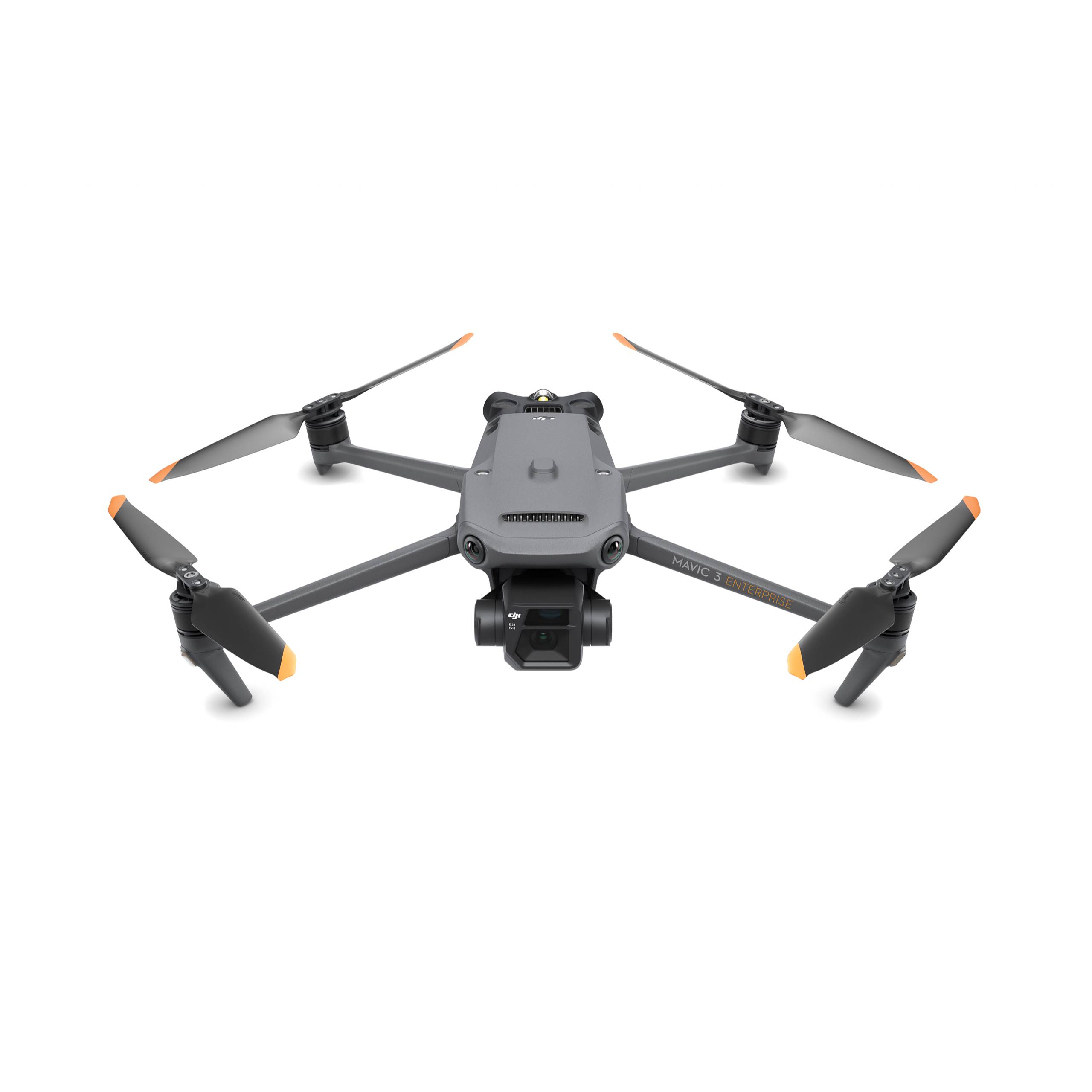
Initiating a study on agrarian-based UAVs demonstrates cutting-edge methodologies dji mavic 3 multispectral modifying latest agriculture.
Advantages as well as Implementations of Agrarian Remotely Piloted Aircraft
Cultivation drone technical progress supplies many assets with respect to agronomists, incorporating detailed growth tracking, resourceful implementation of elements like micronutrients, and control of human input. Furthermore, aerial machines permit instantaneous information gathering and analysis, resulting in calculated strategies and raised performance.
Harnessing UAVs in horticultural tasks enables accuracy farming practices, mitigates superfluous expense, and bolsters green agriculture. flying robots support in tracking biological condition, diagnosing parasites, and regulating liquefaction and growth agent spreading with high precision.
Milestones Fueling Agricultural Autonomous Flyer Solutions
Fresh enhancements in UAV platforms have facilitated precision farming with augmented precision and capability. Complex trackers and super-clear observation solutions enable drones to accumulate paramount metrics on biological standing and dirt characteristics, empowering data-driven governance decisions that enhance return and reduce charges.
Positive Aspects of Applying Aerial Devices in Accurate Cultivation
Application of UAV instruments in detailed plant management exhibits wide-ranging positive impacts including increased yield volume, boosted material usage, and limited environmental impact. Additionally, drones grant progressive features such as up-to-date scanning, computerized spraying systems, and accurate seeding that enhance capacity and lessen operational expenses.
Obstacles and Answers about Agrarian Remote Flyer Deployment
Although the countless merits of remote vehicle mechanisms, agronomists face challenges including elevated startup investments, sophisticated administrative controls, and software-related shortcomings. On the other hand, refinements in drone design, enhanced laws, and availability tools are helping to overcome these problems and promote larger deployment in the agro-based sector.
Hopes for Agrarian Autonomous Flyers
Projecting, the impact of unmanned aerial vehicles in cultivation is predicted to increase significantly. Innovations in navigation systems will boost drone capabilities, permitting even more detailed plant health assessment. Blending with cloud computing is envisioned to furnish incomparable performance and eco-friendliness to agriculture. Overall, agro-based unmanned aerial vehicles are set to reshape the environment of farming activities in the coming years.