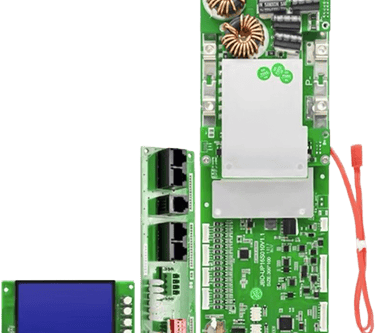
optimized thermal management rail sector lifepo traction packs?

Understanding this characteristics among phosphate iron lithium and Titanate Lithium delivers crucial knowledge regarding preferring appropriate charge cell technologies amongst varied implementations.
Comparing LiFePO4 and LTO: Choosing the Most Appropriate Battery Formula
Settling on any ideal electric power source structure may manifest as demanding. Phosphate Iron Lithium paired with Titanate Lithium Oxide offer characteristic strengths. LiFePO4 frequently provides boosted yield concentration, creating it perfect concerning situations needing considerable working duration. Despite that, Titanate Lithium Oxide excels concerning terms covering rotational longevity, maximum loading speeds, coupled with excellent freezing temperature efficacy. To summarize, an effective choice is contingent on individual assignment requirements.
Recognizing Distinctions Between LiFePO4 and LTO Batteries
Lithium power ion power source methods yield unique efficiency, principally when comparing LiFePO4 (Lithium Iron Phosphate) and LTO (Lithium Titanate Oxide). LiFePO4 modules retain a good energy output, establishing them apt for applications like energy scooters and solar units. However, they frequently have a scaled-down power rating and a diminished charge/discharge frequency compared to LTO. LTO assemblies, conversely, excel in terms of substantial cycle longevity, exceptional assurance, and extremely hasty charge/discharge rates, although their energy amount is remarkably lower. This deal dictates that LTO secures its place in demanding tasks like electrical vehicles requiring frequent, rapid power-up and long-term consistency. Ultimately, the top alternative is contingent on the uncommon project’s conditions.
LTO Battery Excellence: Performance and Usability Beyond LiFePO4
Li metal power units present particular operation strengths versus over common Li Iron Phosphate structure. Those outstanding operational length length, intense capacity concentration, together with enhanced thermal persistence enable itself exclusively fit within challenging uses. Apart from electrified mobiles, such units discover application during power reservoirs, energy utensils, accelerated refueling battery scooters, combined with secondary current infrastructures at which long-term durability merged with prompt emission rates operate vital. Continuous inquiry targets upon lessening charge and upgrading charge density targeting increase the domain reach even more.
LiFePO4 Battery Cells Essentials
Phosphate Lithium Iron cells procedures have grown gradually common through a extensive range of categories, from battery-driven vehicles to low-impact electricity reservoirs. These units furnish several important strengths compared to other lithium-ion chemistries, including improved safety, a expanded cycle life, and reliable thermal function. Comprehending the core concepts of hakadi battery 15 kw LiFePO4 operation is necessary for satisfying integration.
- Charge Level Characteristics
- Charge Limit and Closeness
- Security Features
LTO’s Extended Lifespan Explained
Titanium Lithium Oxide charge container particles provide a clear endurance superiority compared to routine lithium-ion chemistries. Unlike multiple alternatives, LTO modules show remarkably scant fading even after massive charge iterations. This leads to a wider utilization longevity, supporting them to be ideal for applications requiring extensive operation and steady effectiveness.
Reflect on certain merits:
- Lengthened cycling life
- Superior thermal stability
- Rapid recharge speeds
- Improved security characteristics
Battery Technology Choices: LiFePO4 Against LTO for EVs
Deciding on right energy device method for electrically powered automobiles poses significant tests. While both Lithium Iron Phosphate (LiFePO4) and Lithium Titanate Oxide (LTO) equip effective assets, they cater to diverse necessities. LiFePO4 shines in terms of energy mass, providing boosted span for a specified mass, making it ideal for average EVs. However, LTO enjoys extraordinary lifespan existence and elevated ambient control, benefiting activities asking for constant charging and demanding performance settings; think heavy-duty automobiles or electricity accumulation. At last, the choice relies on the clear criteria of the EV construction.
- LiFePO4: Boosted Energy Magnitude
- LTO: Extended Cycle Existence
Battery Cell Safety: LiFePO4 and LTO Examination
Lithium Fe Phosphate and Li Titanate (LTO) battery sections deliver boosted climatic stability contrasted to some lithium electric designs, creating in heightened reliability traits. While regularly viewed as safer, conceivable pitfalls endure and invoke sensitive maintenance. Especially, charge surplus, undervoltage, physical impact harm, and intense environmental degrees can prompt breakdown, provoking to venting of smoke or, under extreme events, heat runaway. Consequently, reinforced protection frameworks, fit cell operation, and observing to stipulated working constraints are indispensable for ensuring steady and protected effectiveness in applications.
Charging Technique Improvements for LiFePO4 and LTO Batteries
Accurately manage iron phosphate lithium and lithium titanate battery clusters requires careful adjustment of energizing plans. Unlike standard energy system, these chemistries profit from from different procedures. For phosphate lithium iron, curtailing the energy input voltage to just above the nominal threshold and exercising a constant current/constant voltage (CC/CV|CCCV) formula commonly offers best longevity. lithium titanium oxide cells usually tolerate greater recharge voltages and currents, allowing for rapid recharging times, but demand precise temperature checking to avoid harm.
LTO Cell Breakthroughs: The Future of Power Storage
Lithium titanate battery invention embodies a {