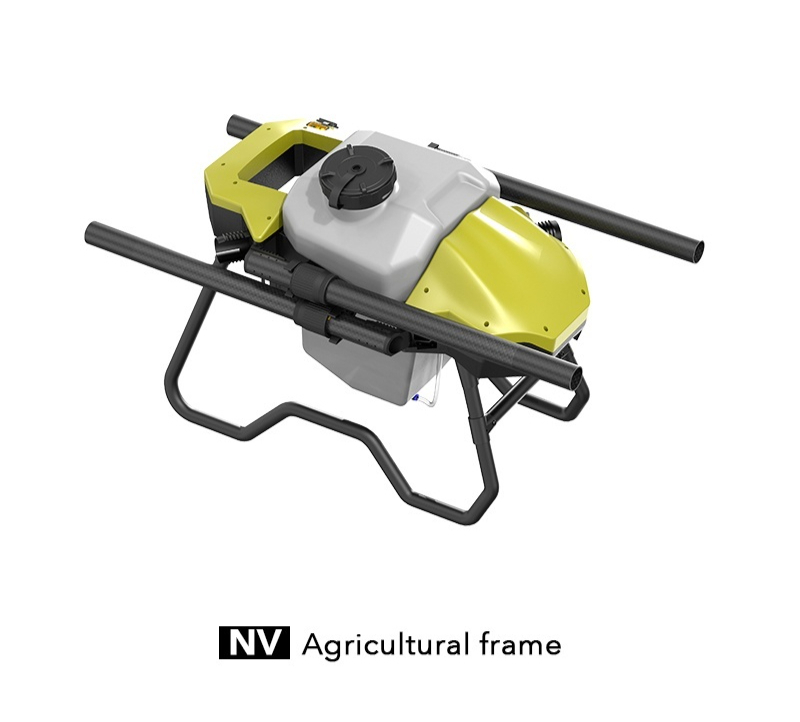
plug and play imagery for easy onboarding innovation anchored drone frame manufacturers pipelines for new models?
The adoption of remote flying devices in agronomy sectors is substantially redefining means of overseeing fields, ushering in an era of precision farming. These innovative applications, embedded with sensitive detection modules, afford notable clarity on farming scenarios, outdoing normal methods. Farmers can now detect issues such as disease, poor mineral supply and irrigation faults in swift manner and thoroughness, providing directed responses limiting waste and amplifying output. Surpassing fundamental viewing, drone platforms generate intricate tri-dimensional charts of farms, furnishing key details to perfect plantation densities and fertilizer deployment, ultimately contributing to more sustainable and productive agricultural operations. Technology integration supports massive agricultural estates and steadily includes limited-scale growers aspiring to advance performance
Advanced Farming with Aerial Vehicles: Innovative Epoch
Farming environments experience substantial change, largely influenced by unmanned system uptake. Such cutting-edge devices bring forth an epoch of accurate agriculture, bettering established approaches affording excellent comprehension of crop vigor and resource operation. Drones fitted with cutting-edge sensing gear like multispectral and thermal scanners instantaneously collect wide-ranging data on agricultural plots. Conveying producers thorough reports on flora condition, irrigation insufficiency, and pest attacks. That crucial data provides the foundation for selective steps, like calibrated fertilization, adjusted irrigation, and focused pesticide use, trimming waste and improving yield. Monitoring vegetation expansion within whole cycles yields unique perspectives, enhancing eco-conscious and profitable farm operations. Additionally, the facility of aerial data acquisition reduces regular inspection workload and resources, freeing producers to tackle other commercial matters. The prospect of agronomy is clearly connected with UAV expansion and technological progress
Plant Treatment Drones: Capability and Accuracy
Employing airborne spraying platforms is altering present cultivation procedures. Historically, pesticide application depended on hand-operated spraying or tractor machinery, usually causing considerable loss and patchy distribution. Still, integrating UAV spraying systems ensures superior productivity and correctness. The apparatuses rapidly map agricultural plots, locate sectors needing particular response, and apply nutrients or sprays with high correctness. Therefore, chemical spread drops, mitigating ecological footprints and budgets, boosting plant output and responsible cultivation practices. Similarly, flying platforms’ endurance in severe weather or isolated places delivers a significant plus
Crop Protection Flying Drone: Guarding Your Yield
The emergence of exact farming has introduced a recent stage in crop oversight, with farm safety UAVs driving the changeover, alias drones. The outstanding apparatuses offer robust instruments to cultivators targeting loss reduction from vermin, sicknesses, and undesirable vegetation. Provided with refined sensing and spraying equipment, they selectively treat troubled areas, substantially reducing broad herbal substance dependence. Thus, it causes better harvests and supports an eco-friendly methodology toward agriculture, safeguarding nature and health. Similarly, prompt and precise drone-based treatment enables fast management of budding problems and cuts human resource expenses, ensuring growers a marketplace superiority
Aerial Farming Systems: Growing Returns and Lowering Costs
Up-to-date scenario of agrarian production faces substantial revision, primarily fueled by incorporation of pilotless flying craft termed drones. These influential mechanisms deliver multifold remedies for farmers, promoting crop improvements and financial savings. Incorporating precise plant monitoring and rapid detection of insect damage alongside selective nutrient and irrigation usage, drone technology provides exclusive insight. Likewise, info-informed perspectives from drone snapshots empower wise selections, fostering environment-friendly operations and elevating harvest gains. Such advancement goes beyond passing trends, swiftly turning into a critical factor in contemporary agribusiness administration
Unmanned Crop Monitoring: Swift Acknowledgment, Directed Action
Latest farming is speedily adapting revolutionary instruments, where UAV-assisted field inspections emerge as genuinely game-changing instruments. Employing remote sensing and sophisticated data processing, drones provide unmatched potential for spotting initial crop fatigue indications prior to ground visibility. Rapid recognition facilitates growers’ execution of targeted adjustments including irrigation control, fertilizer dispersion, or pest elimination, reducing deficits and enhancing productivity. Ability for fast assessment of broad crop grounds through detailed imaging drastically enhances farm workflows and nurtures sustainable agriculture. Moreover, repeated aerial surveys furnish essential details for establishing chronological accounts of crop vigor, supporting intelligent farm planning throughout years
Revolutionizing Agriculture: Spraying Drones & Chemical Reduction
The flourishing niche of refined crop management registers considerable reform influenced by UAV spraying tech. Such advanced devices provide an extremely effective way to deliver crop protection agents, nutrients, and crucial applications onto farmland. The fundamental strength rests in the exact focus on impacted spots, reducing wasted sprays that generally cause environmental contamination and resource depletion. Growers presently chart their farms with precision, pinpointing regions needing focused care, resulting in marked cuts in chemical consumption—a gain improving finances and environmental wellbeing. Also, intelligence amassed through aerial flights informs planting plans ahead, advancing sustainable and profitable agronomic approaches. Such innovation signifies a real breakthrough in input optimization and ecological guardianship across farming industries
Drone-Based Vegetation Condition Evaluation
Drone platforms quickly overhaul crop vitality assessment techniques. Providing unmatched granularity and effectiveness relative to conventional approaches. Topping basic eye inspections, these units possess sophisticated sensors, including multispectral, hyperspectral, and temperature imaging, allowing comprehensive diagnostics. The insights support targeted recognition of crop stresses including nutrient shortfall, disease occurrence, and water scarcity, typically before visual evidence. Similarly, aerial data combined with computational models generates comprehensive crop indicators and forecast structures, allowing targeted management and resource maximization. Capability for rapid large-scale surveys together with precise information substantially improves evaluation exactness and sustains proactive, sustainable farming, enhancing harvests and reducing ecological effects. A growing focus is now on real-time data processing to allow for immediate response to identified problems, shifting from reactive to preventative strategies
Focused Cultivation Drone Operations: Detailed Guidebook
The increasing presence of drone systems drastically reforms specialized cultivation settings. Such leading technologies offer farmers extraordinary advantages in evaluating plant health, optimizing input management, and improving yields. Surpassing basic pictures, modern cultivation aerial devices comprise refined sensor arrays with multispectral, hyperspectral, and thermal imaging, enabling thorough examination of vegetation wellbeing, stress, and water supply. Data amassed facilitates making precise vegetation measurements, recognizing unhealthy or infested zones, and reviewing plant population levels, advancing effective and eco-friendly agriculture. Also, aerial systems help targeted delivery of pesticides and fertilizers, decreasing waste and mitigating ecological effects, granting nearly real-time observation of farmland for swift intervention and evidence-based planning previously incapable
Enhancing Yield Safeguarding Using Unmanned Aerial Vehicles
The integration of unmanned aerial vehicle technology is rapidly transforming crop protection strategies. {Traditionally, assessments of field health have been laborious and often reactive, relying on sporadic ground checks|Historically, evaluations of agricultural conditions were tedious and mostly reactive, based on occasional on-site inspections|Conventionally, examinations of crop status were time-consuming and frequently reactive, dependent on intermittent land surveys|In the past, inspections of cultivation wellbeing were demanding and regularly reactive, relying on scattered field observations|Previously, appraisals of farm condition were burdensome and often reactive, plant protection uav founded on irregular ground assessments|Earlier, analyses of plantation health were cumbersome and frequently reactive, relying on occasional terrestrial checks|Formerly, scrutiny of agricultural status was slow and typically reactive, based on periodic