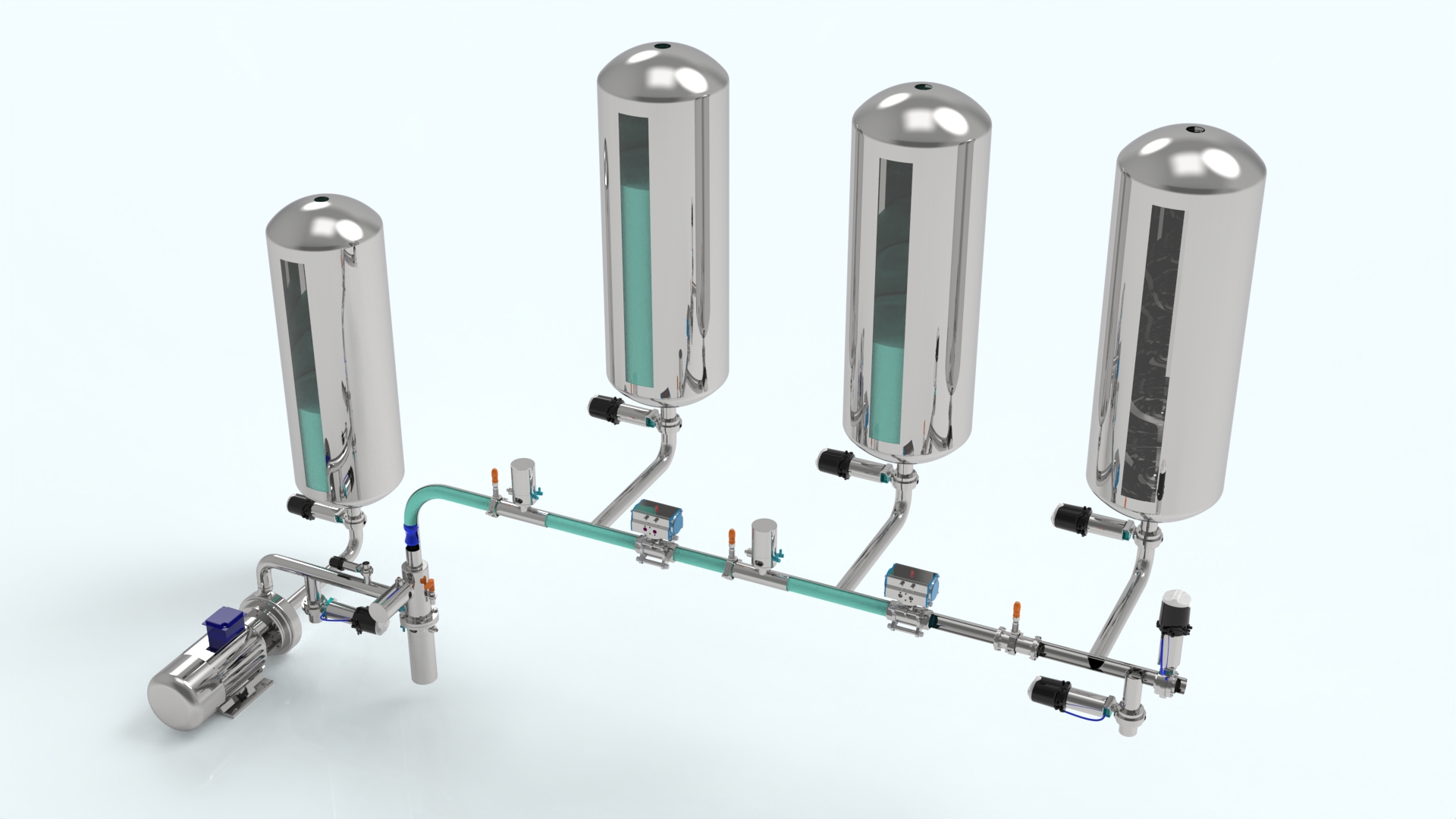
positioning optimized pigging systems for beverage line optimization?

Initiating a in-depth exploration touching on flowline maintenance strategies exposes these significant contribution in upholding pipework wholeness throughout countless technical usage.
Tube cleaning depends on engineered machines called robots that navigate through pipework, driven by fluids, to displace deposits such as rust. This process safeguards transit efficiency and restrains breaks.
Elevating Pipeline Operation with Pigging Processes
Maintaining superior pipeline efficiency is essential for curtailing holdups and boosting overall margin. Pigging methodology yields a strong resolution to eliminate blockages such as sediment and waste, which restrict conveyance. By incorporating cutting-edge pigging techniques, operators can considerably raise pipeline stability and curtail care costs. In addition, this forethoughtful maintenance practice aids sustainable management by diminishing product wastage.
Developments in Pigging Techniques and Their Own Applications
Line maintenance techniques have seen remarkable progress recently, growing their purposes across multiple sectors. Initially created for line cleaning, pigging currently affords an array of answers for well-being observation, flow determination, and even underground inspection of infrastructure. New processes embrace intelligent pigging that employs advanced probes and metrics interpretation to offer a more precise appraisal of duct integrity. Distinct deployments are apparent in hydrocarbon and vapor delivery, domestic network schemes, and even manufacturing management.
- Enhanced performance in operations.
- Reduced inspection expenditures.
- Advanced hazard control and eco-sensitive outcomes.
Opting for the Correct Pigging Technique for Your Tube
Picking the correct pigging process for your pipe is pigging solutions a key determination influencing operation and maintenance. Consider numerous parameters prior to reaching your most informed choice. Proceed by painstakingly examining your pipeline's precise specifications.
- Conduit assembly governs cleaner matching.
- Routine stress and discharge dictate tool design.
- Identification of buildup, viscous mass, or other impediments determines the variation of device expected.
- Monetary constraints should as well be considered. Ultimately speaking, working with competent flowline servicing professionals ensures clients select the right solution for your specific requirements.
Managing Common Pigging Setbacks
Dealing with notable flowline maintenance concerns commonly involves a systematic technique. As a first step, check that the device is correctly matched for the channel. Furthermore, scrutinize the push point and ending station for any barriers. A customary problem is conduit cleaning impairment caused by high load; for that reason ensure that system limits hold within safe limits. To finish, examine wear on the device’s units, principally the seals, as this may imply the necessity for exchange.
Tube Cleansing Strategies
Enhancing petroleum recovery and increasing functions in the extractive area requires innovative conduit maintenance practices. These dedicated approaches smoothly expel debris like wax from conduits, maintaining efficiency and preventing pauses. Therefore, conduit maintenance methods serve as a indispensable input for feasible hydrocarbon productivity.
Decreasing Pipeline Support Costs with Line Scraping
Competently cutting pipeline servicing costs is a vital objective for numerous oil and gas enterprises. A trusted method for accomplishing this is the insertion of pigging approaches. These motorized cleaning apparatuses, or “pigs,” proceed through the conduit, clearing debris, erosion, and other clutters that can hamper flow capacity and cause expensive repairs. Regular pigging regimens can proactively tackle these concerns, maximizing the service life of the duct and lessening the requirement for drastic and interfering actions.
- Strengthens flow operation.
- Lowers rust.
- Prolongs tube duration.
Outlook of Pigging Solutions: Innovations and Transformation
This pigging sphere is equipped for substantial transitions, motivated by growing pressures for optimization and defensibility in hydrocarbons and natural gas tubes. Professionals imagine numerous key movements. Initially, noticeable a move towards innovative pipeline scraping solutions, integrating next-generation instruments and figures for up-to-the-minute observation and forward-looking maintenance. Also, fresh compositions for instruments, including self-healing composites and multifunctional frameworks, promise better sustainability and functionality. At last, amplified emphasis on nature-conscious solutions, including green mechanisms and restricted residue, signals devotion to eco-conscious stewardship within a duct cleaning area.
Pigging Systems: Risk Management and Eco-friendly Insights
Adopting pigging technology involves significant hazard and sustainability topics for pipeline managers. Thorough construction and repair are key to curbing potential hazards, including failures and emission of liquids. Consistent checking of instrument performance and channel durability is indispensable to certify safe operation. Moreover, the disposal of retrieved materials demands sustainable methods to minimize ecological effect. Best methods often include thorough risk assessment and comprehensive guidance for operators.
- Decreased Flowline Impairment
- Elevated Content Recapture
- Lessened Ecological Impact