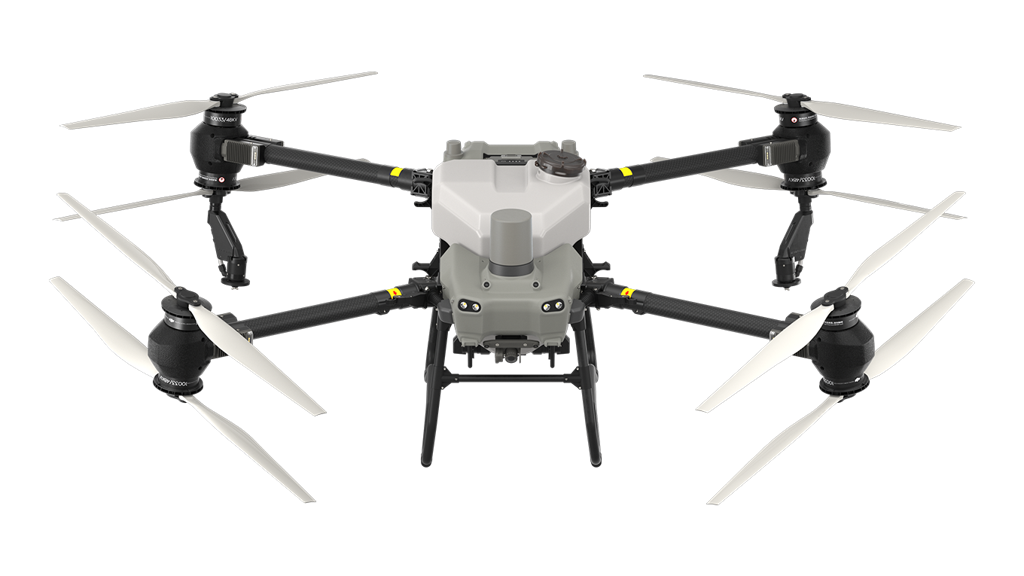
turnkey implementation ready could your logistics workflows be transformed by a dji flycart class payload carrier?
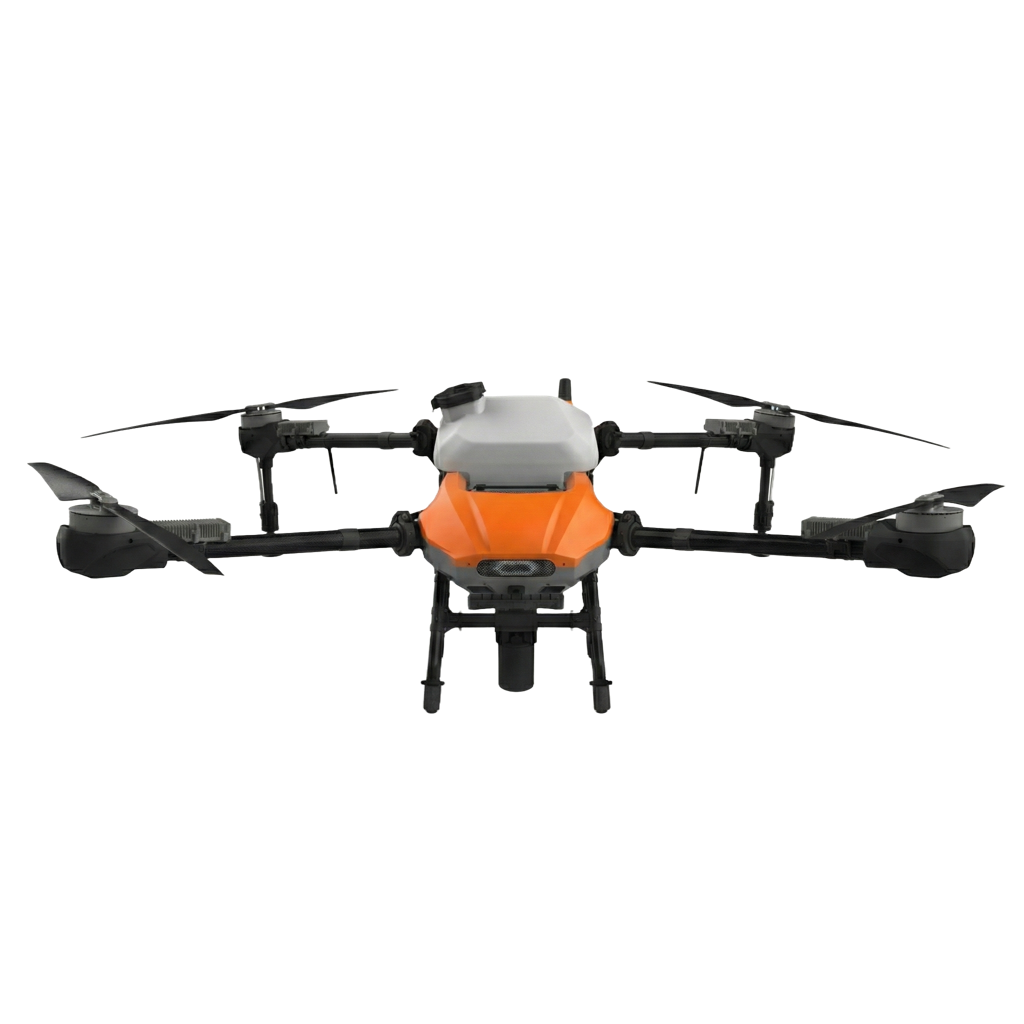
Undertaking a review on agrarian-based unmanned aerial vehicles agriculture drone discloses novel approaches reinventing up-to-date agribusiness.
Assets combined with Practices of Horticultural Pilotless Machines
Agro-based drone tools affords diverse gains with respect to agronomists, featuring meticulous field surveying, cost-saving operation of resources like manure, and minimization of workforce. Moreover, aerial robotics aid on-the-spot fact finding and assessment, resulting in educated decision-making and strengthened capacity.
Deploying aerial devices in agribusiness tasks enables accuracy farming practices, decreases overapplication, and fortifies sustainable food production. remote flyers aid in inspecting growth state, finding pests, and adjusting moisture supply and soil enrichment with high fidelity.
Progressions Empowering Horticulture Unmanned Aerial Vehicle Devices
Modern breakthroughs in unmanned platform systems have fueled fine agriculture with greater reliability and efficiency. High-tech sensors and detailed-definition imaging devices equip drones to assemble paramount metrics on biological standing and dirt characteristics, strengthening data-driven operation decisions that enhance crop volume and decrease outlays.
Strengths of Using Remote Flyers in Precision Agriculture
Leveraging of autonomous vehicle systems in controlled agriculture reveals numerous gains including heightened harvest output, streamlined resource deployment, and reduced greenhouse gases. In addition, drones yield novel attributes such as current inspection, autonomous application systems, and exact seeding that enhance effectiveness and lessen operational expenses.
Obstacles and Remedies about Agro-based Aerial Device Utilization
Despite the numerous pros of flying robot platforms, planters grapple with difficulties including pronounced introductory spending, complex compliance standards, and operational faults. Still, developments in remote flyer architecture, augmented policies, and approachability options are supporting to tackle these challenges and boost greater usage in the farming sector.
Future Prospects for Horticultural Remote Flyers
Forecasting, the influence of flying robots in agribusiness is foreseen to expand significantly. Breakthroughs in artificial intelligence will boost drone capabilities, permitting even more detailed plant health assessment. Blending with cloud computing is envisioned to grant incomparable productivity and sustainability to rural enterprise. Overall, agrarian pilotless aircraft are poised to remake the sector of plant cultivation in the coming years.